
A 2026 investigation into consumer audio products has revealed that hazardous, potentially cancer-linked chemicals are present in headphones from major brands. A study conducted by the EU-funded ToxFree LIFE for All project tested 81 models of over-ear and in-ear headphones and found that 100% of the tested products contained hazardous substances. Surveillance Uncovers Toxic Chemicals in Consumer Audio Products ToxFree products now!
Hazardous substances have no place in our homes!
Sign the petition to help demand a ban on toxic substances in clothing, cosmetics, and furniture
Every day, we’re exposed to hidden dangers
Many items we use daily contain hazardous chemicals that threaten the health of both children and adults. Yet they remain legal.Currently, strict legal limits apply only to a few product categories. For example, many hazardous substances are already banned in toys. However, other everyday products are not as safe.
Clothing for dolls has stricter limits on toxic substances than clothing for small children. We also found bisphenols in underwear, especially women’s. Similarly, bisphenols have been banned in baby bottles, but we have recently found them in pacifiers, including those marketed as “BPA-free.” And in tests of headphones, we have found a wide range of hazardous chemicals exposing children, teenagers, and young people to unnecessary risks.
Let’s change that together!
We call on European politicians:
Ban the most hazardous substances from consumer products during your mandate between 2024–2029. It is essential that the regulation of chemicals in a wide range of consumer goods is accelerated and tightened. Toxic substances must be banned in groups of similar chemical compositions and toxicity.
Why it matters
The majority of Europeans have high levels of toxic chemicals in their bodies, some of which even pass through the placenta from mother to unborn child.
A significant source of these chemicals is consumer products used in our daily lives. Some toxic chemicals, such as flame retardants and phthalates, are released from furniture and electronics and then accumulate in the dust and air inside our homes. This is how they enter our bodies, as well. We also ingest many of these substances through food and liquids, as a number of them are transferred from the environment into food and drinking water.
Although there are safer alternatives, companies are still not required to avoid toxic additives.
The toxic timeline: 6 months vs. 20 years
A new chemical can reach the market in as little as six months. But banning it, once it’s proven harmful, can take up to twenty years.
During this time, consumers are exposed to cocktails of new and potentially dangerous chemicals. These substances can cause irreversible brain disorders, infertility, cancer, and create hazardous waste that pollutes the air, water, and soil.
This imbalance between the speed of innovation and consumer protection is unsustainable and must be addressed urgently.
FROM EVIDENCE TO POLICY – COMPARATIVE PRODUCT TESTS
The Sound of Contamination: toxic chemicals found in headphones across five EU countries
An EU-funded study that ACC also took part in, testing 81 headphone models across five Central European countries, found hazardous chemicals in every product, often at levels exceeding proposed EU limits. The findings highlight ongoing “regrettable substitution” of banned substances and strengthen our call for broader, group-based EU chemical restrictions to better protect consumers.
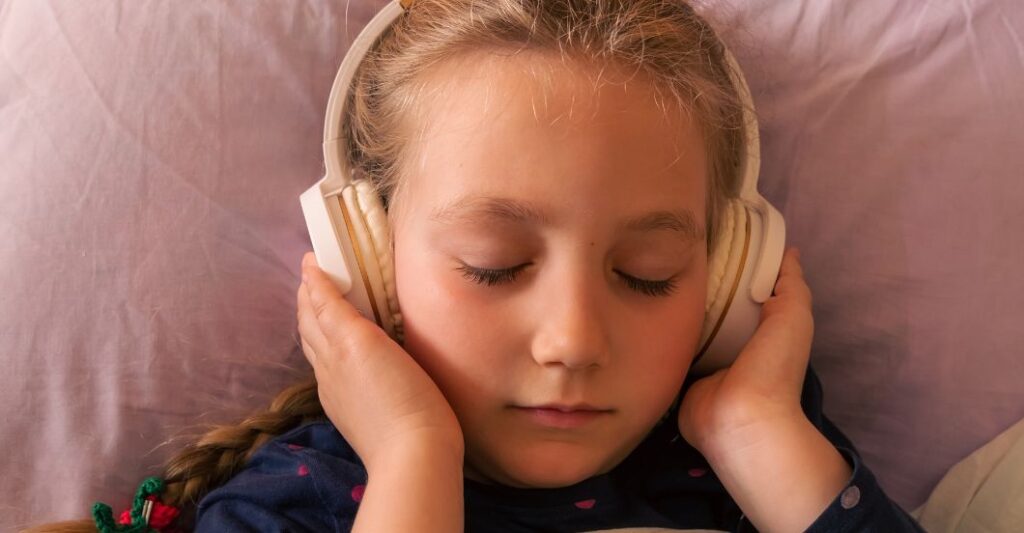
Toxic chemicals found in headphones across five EU countries
A landmark international study across five Central European countries has found hazardous chemicals in every single pair of headphones tested, from premium models to cheap imports. Researchers say the results reveal a systemic failure in consumer safety regulation across the electronics industry.
Key findings at a glance:
- 81 headphone models tested across Czechia, Slovakia, Hungary, Slovenia, and Austria
- 100% contained traces of hazardous chemicals (bisphenols, phthalates, flame retardants)
- Up to 351 mg/kg of bisphenols detected—35× higher than proposed EU limits
- Product from online marketplaces (e.g. Temu) showed the highest toxicity
The Bisphenol Crisis: A Universal Contaminant
Researchers discovered that nearly all headphones contain bisphenols, chemicals known to interfere with hormones.
The widely restricted Bisphenol A (BPA) appeared in 98% of samples, while its substitute, Bisphenol S (BPS), was found in over three-quarters.
Maximum concentrations reached 351 mg/kg, dramatically exceeding the 10 mg/kg limit currently proposed by the European Chemicals Agency (ECHA).
„These chemicals are not just additives; they may be migrating from the headphones into our body,” said Karolina Brabcová, chemical expert at Arnika. „Daily use—especially during exercise when heat and sweat are present—accelerates this migration directly to the skin. Although there is no immediate health risk, the long-term exposures especially for vulnerable groups like teenagers is of great concern. There is no ‘safe’ level for endocrine disruptors that mimic our natural hormones.”
Regrettable Substitutions and Online Market Risks
The study confirms a broader trend of so-called regrettable substitution. In this practice, banned chemicals are replaced by slightly modified cousins that behave in almost the same way. Manufacturers often change just part of the molecule. The substance then falls outside current rules. However, its core structure — and therefore its toxic effects — remain very similar.
In flame retardants, this means older halogenated substances are increasingly swapped for organophosphate flame retardants such as RDP (Resorcinol bisdiphenyl phosphate), an alternative to TPhP that recent research links to neurotoxicity and endocrine‑disrupting effects on thyroid and oestrogen systems.
These risks are most visible in headphones bought from international online marketplaces operating at the edge of EU oversight, where the highest levels of harmful plasticisers and chlorinated paraffins were detected. At the same time, the tests show that even established brands are not immune: hazardous chemicals appeared across the entire price range, so a higher price still does not guarantee a safer product.
A Call for Urgent EU Reform
The „ToxFree LIFE for All” partnership is calling on European policymakers to move away from the slow „substance-by-substance” approach. It urges them to adopt Group-Based Restrictions on flame retardants and bisphenols. “This commitment from the Chemicals Strategy for Sustainability adopted in 2021 is to be fulfilled as soon as possible. This is given the recent findings from the sampling campaign,” concluded Brabcová. The evidence is clear about the Association of Conscious Consumers
The Association of Conscious Consumers (ACC) or in Hungarian Tudatos Vásárlók Egyesülete (TVE) has been promoting sustainable, circular, ethical, fair and just consumption and lifestyle choices since 2001.
What is conscious consumption, and who is a conscious consumer?
Our consumption can impact the people living today, people born in the future, our descendants and even non-human beings, such as animals, plants and ecological systems.
We, conscious consumers, are trying to make decisions that are beneficial not only to ourselves but to the world.
Our decisions reflect our core values: our belief in justice, fairness and ecological responsibility.
The Association of Conscious Consumers was established in 2001 in this spirit.
Consumption is far more than a simple economic action
We live in a consumer society, which means that most of the economy and society are built around consumption. Companies are trying to influence consumers in their choices. However, consumption is far more than a simple economic action: it has socio-cultural and psychological implications. Today advertisements and commercial media have more influence on what we think and even what we think our needs are than ever.
Our personal identity is often strongly linked to an image projected by products we buy.
Thus, consuming has become much more than just the acquisition of necessary material goods, which in itself is not inherently bad. Everyone needs to know that what they do has meaning and value. In a way advertisements aim to make us believe the same thing: they claim that buying a car is in fact an act of self-realisation, which embodies important values such as liberty and independence in the car for the owner.
We, conscious consumers, try to see through the fog of advertising and think about what we do when buying products. What is the real purpose or value of a product? Are we promoting child labour or another form of human suffering in a far away country? Are we supporting a company that uses genetic modification or produces cosmetics using animal testing? Is the product worth the little pleasure we gain from it or just more trash? We can also look at the positives: did we buy something that is healthy, was it produced in an environmentally responsible way and is the company outstanding, ethical, and responsible?
In consumers society the act of consumption is as important as the volume of consumption. Modern economy is globalised, which brings at least two major problems to the forefront. First is that we know little about the products coming from far away places. We would be horrified if we knew that the cocoa used to make our chocolate was picked by child slaves or that the quality sport shoes we buy are made under humiliating and exploitative working conditions somewhere in south-east Asia. The second big problem is that today’s economy is not ecologically sustainable. Serious environmental research shows that we take too much raw material and energy from our environment while creating too much pollution and trash, which is causing irreversible ecological damage. Calculations show that this ecological catastrophe is not merely the result of a growing human population. The greatest impact comes from the wasteful lifestyle of people in developed countries: 80% of all materials and energy consumed are used by just 20% of the world’s population, most of whom live in developed countries like ours. From the other perspective, 80% of the world’s population uses only 20% of all resources…
Just because the problems are far away or abstract does not mean that they do not have an impact on us. In a globalised world it is not only products from far away that reach us; in one way or another we will have to deal with the consequences of our dramatic social and environmental impacts.
What can we do about is?
We can change. The power that consumers hold to shape supply and demand change should give us all hope. Successful consumer actions, like boycotts, have reshaped markets and forced companies to change. Others changes have happened more slowly and, we hope, deeply, like organic farming or the growing use of wind or solar energy.
We should not think that we are powerless. The old saying is true; we might be helpless when alone but united together we are strong and can accomplish much. However, even alone it is a good feeling to do the right thing… As Spinoza said, „Happiness is not the reward of virtue, but is virtue itself.” This is how to shop sustainably: the 12 points of the conscious shopper have been renewed
Shopping is your decision, your money is your vote. You can decide what and who you support. And what you don’t. List, bag, quantity, repair, recycling and more – 12 aspects worth keeping in mind when shopping. Conscious shopping in 12 steps.
1. Your money is your vote
You decide what and who you support. You don’t have to support exploitation, child labor, pollution, or the mass production of harmful and unnecessary things.
2. Less is more!
Focus on quality instead of quantity! Less shopping, less heating and cooling, less driving, less traveling – and nature will breathe a sigh of relief.
3. Write a list!
Before you go shopping, write down what you need. Big stores use professional methods to tempt you into spending unnecessary money. Don’t rely on ‘shelf tricks’.
4. Locally, locally
Buy directly from the farmer, at the market or at a local grocery store. Research the good places. Support local producers, artisans, manufacturers. Choose seasonal food.
5. Say no to packaging!
Bring a bag/sack with you, do not accept bags. Choose packaging-free or sustainably packaged goods, returnable or recycled packaging.
6. Eat in a climate-friendly way!
Meat and dairy products are significantly more harmful to the planet than plant-based foods. Eat more vegetables, less meat, and include veggie or vegan days each week!
7. See clearly!
Learn how advertising works. Don’t be fooled by its attractive appearance, see through it if it encourages you to overconsume. That way you will be able to really resist.
 8. Read the label!
Look for labels that certify sustainable and ethical products. Don’t be fooled by the green color and the many fake logos. Only trust authentic certifications so you know what you’re buying .
 9. Non-violent well-being
Choose products that are tested without animal cruelty and that are made without harming their natural habitats.
 10. Use it while it lasts!
Avoid disposable items, mass-producing and throwing them away wastes energy and pollutes the environment. Buy used items, and if they break, have them repaired.
11. It doesn’t matter!
Even if there is no perfect solution, always look for the best. Signal to companies that sustainable and ethical operations are important. If more people say it, they will take it seriously.
 xx12. It’s easier together
Never think that you are alone with your goals! Join our challenges, our membership, and our greening communities, because together, with small steps, we can make a big difference.
We are not just for the “super greens”! Our goal is to make eco-conscious lifestyles and the purchasing considerations that lead to them accessible to anyone, no matter where they live, what education they have, or what outlook they have in this country.
Our activities are free from manufacturer support and advertising, we do not accept product samples for testing, we have no corporate sponsors, nor advertising revenue. And we intend to maintain this.
In order to address issues that do not have domestic or other funding sources, we greatly need the support of individuals like you! We therefore ask that you support our work with a regular or one-time donation, according to your means.
We are positive that today’s economy and consumption can be transformed to become sustainable socially and ecologically. We may have more power as consumers since all 9 million Hungarians consume while only 5 million citizens vote. 9 million people, so almost everybody except for the youngest children, are taking consumers decisions day by day or weekly; this gives them huge power. We hope a growing part of these decisions are made in an ethical and environmentally conscious way that makes an impact.
We built our website to draw attention to the importance of ethically and ecologically conscious consumption. Though we raise lots of questions, we also try to give answers. While we deal with serious questions we attempt to do so in an interesting and informal way. We believe that important things can be interesting and that conscious consuming isn’t just a demanding commitment, but it can be fun too.
We hope that more and more people will follow this way of thinking. We will continue to share useful information and facts through our website and conscious consumers databases. We hope that this website will foster two way communication; we await your suggestions, ideas and comments regarding our content, the form of our site and your experience in conscious consumption. Even if we don’t agree on everything, we hope that our site will facilitate interesting and constructive debates. There is one thing that is certain: our money is our vote!
Flagship activities:
- science-based information to consumers to make more sustainable choices (free and subscription-based product and service tests);
- own consumer media contents and calls for action related to sustainable consumption, consumer engagement and behaviour change (tudatosvasarlo.hu);
- behaviour change programs;
- promoting local, sustainable and fair food supply chains, especially community supported agriculture and other local solidarity based food systems, and the expansion of markets for real green and fair products;
- digital innovations for sustainable and fair consumer choices: Conscious Consumer phone app.
Our activities are backed with trend hunting and research

About the Association of Conscious Consumers Association of Conscious Consumers (ACC) or in Hungarian Tudatos Vásárlók Egyesülete (TVE) has been promoting sustainable, circular, ethical, fair and just consumption and lifestyle choices since 2001.
Community farming
A collaborative economy team, in which a farmer and his customers form a community to help each other. In exchange for a long-term commitment, consumers receive high-quality, healthy, local food from a reliable source. For producers, the relationship gives them a predictable income and a secure livelihood. Don’t miss out on the good stuff, be a part of it!

What do you care?

ACC has been promoting and supporting local, sustainable and fair food supply chains, with special focus on Community Supported Agriculture and other local solidarity based food systems since 2008. In CSA growers and consumers provide mutual support, sharing the risks and benefits of food production. CSA farms in Hungary provided more than 1,200 families with fresh, local, seasonal and mostly organic vegetables, meat, eggs and fruit in the 2022 season.
ACC regularly organizes training courses to help such communities to operate: enabling farmers to start their own CSA initiative, helping them to maintain long-term financial sustainability, educating engaged consumers for more democratic participation in their food communities through personal trainings and online materials.

“It’s never too late to change!”
WHAT IS AN ECOLOGICAL CIRCLE?
A community where you can learn from each other about solutions, tricks, and simple steps to make your life more sustainable. You are committed to greening your household together.
- What is the minimalist approach good for and how do I approach it?
- How can I make the air in my apartment healthier?
- What should I use to mop?
- How to reduce food waste in the trash?
No matter where you live in the country, you will find the answers in ÖkoKör!
Looking for a supportive community? Join an Eco-Circle or start your own group!
ACC has been organizing EcoTeams since 2010. EcoTeams in practice means small (5 to 10 members) peer support groups led by a coach. In a step-by-step process, participants learn how to make their consumption and lifestyle more sustainable. We train volunteer coaches who then run their own groups supported by mentoring. Since the beginning we trained 440 volunteer coaches and more than 3000 people participated in the program, making an impact on the lives of more than 7200. The program includes modules for improving the sustainability literacy of participant, eg. how to read product labels, green claims. The EcoTeams is followed by an impact measurement module that shows that the program is efficient in reducing the ecological footprint of participants and keep their new, sustainable routines on several years term.
Manufacturer-independent
We test with 30+ consumer organizations in international collaboration, including big names like the English Which?,
the German Stiftung Warentest, and
the American Consumer Reports.
This will save you from unwanted advertisements.
Reliable
We publish accredited laboratory tests that simulate everyday use. By applying international standards and methodologies, the results of the measurements are authentic and comparable.
This way you can avoid subjective opinion pages.
Saves money and time
Our decades of experience have shown that price often does not reflect product quality. Based on the test results, you can easily choose the model with the best price-performance ratio for you.
This will be good for your wallet and even save you time.
Environmentally conscious
If you really need a specific product, our tested criteria and advice will help you choose an energy-efficient and durable model that suits your needs. This way, your purchase will be a long-term investment.
This is how you contribute to a more sustainable world.
Surprising facts you can learn from our tests
HUF 95,000 is the price difference between two equally well-rated built-in ovens
Charging times for cordless vacuum cleaners vary between 47 and 600 minutes
The best dryer costs twice as much as the second-place one
There is a 28% difference in overall score between the best and worst Panasonic TVs
As a member of International Consumer Research & Testing (ICRT) we publish 30 product (domestic appliances, domestic chemicals, personal care, leisure, child products, food, etc.) and service tests annually, when possible also assessing the sustainability features of the tested subjects. We are independent of product manufacturers, and act exclusively in the interest of consumers, enabling them to make more informed, sustainable choices when purchasing.
The annual reach of our test-site is ca. 650 000 individual users.

Download the Conscious Shopper mobile app
Conscious Shopper mobile application – download it and go green step by step for a greener home!
With the Conscious Shopper mobile application, you can reduce the harmful environmental and health impacts of household management.
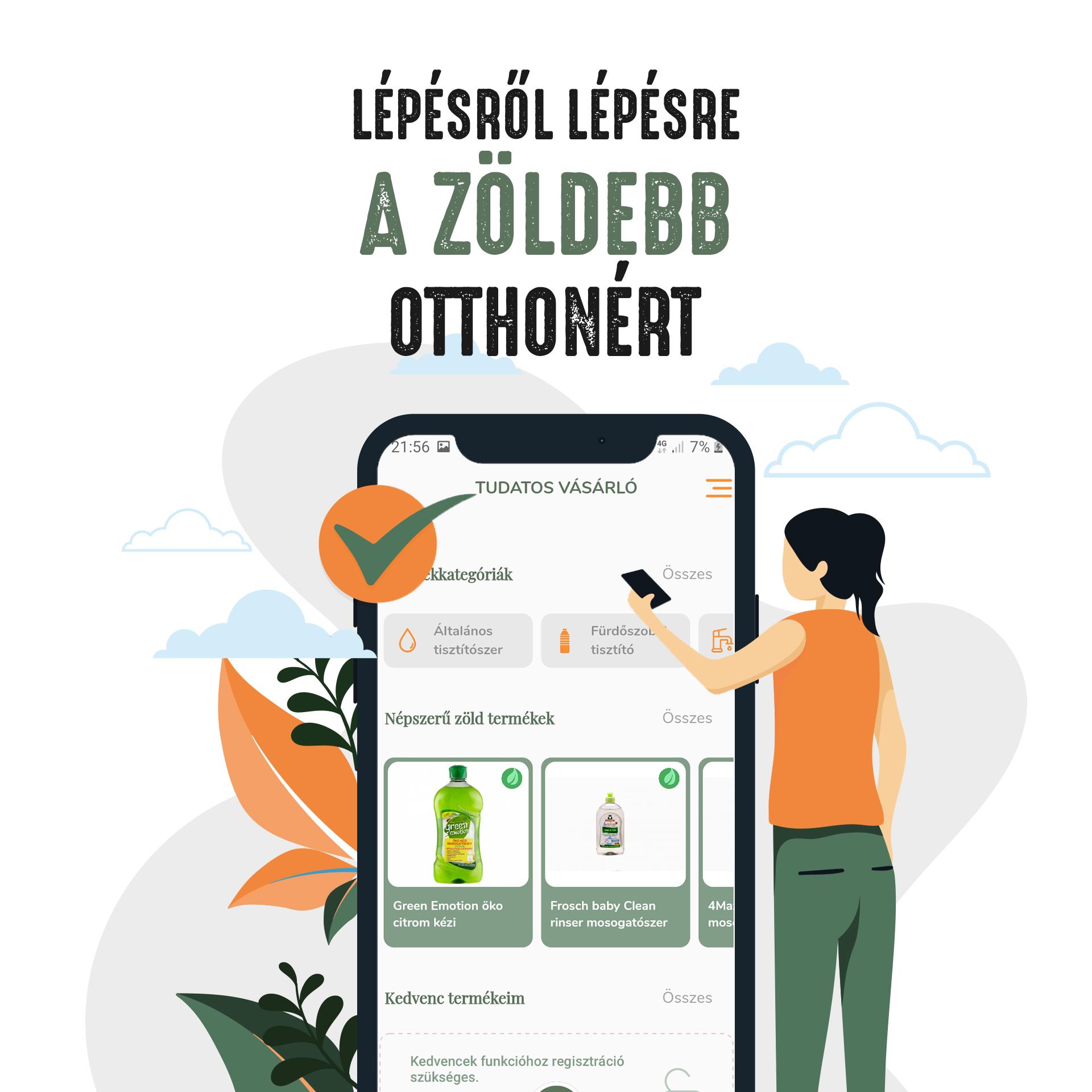
You can download the Conscious Shopper app
CHEMICALS
What can you do?
- With the application, you can easily find out about the impact of household cleaning products on the environment and your health by scanning the barcode of household cleaning products or browsing through the products.
- You can join challenges.
- You can make a list of your favorite products.
We evaluated each product in the app using a standardized methodology developed by experts and then categorized them into three categories. The data required for the evaluation was collected from publicly available sources about the products.
What do the three categories mean in the Conscious Buyer mobile application?

Good choice These are the best products available in this product group. Choose these if you want to minimize environmental and health risks. Compared to other products, there are cleaning products here that contain ingredients that have a milder environmental and health impact, and they are often certified as environmentally friendly.

Be careful! There are milder and harsher versions of these cleaners. It is possible that their composition is less mild than that of green-rated products, but it is also possible that they are risky and some kind of hazard label will draw attention to this. Rarely, but there may be a certified environmentally friendly, eco-labeled product among them.
 Switch! The products listed here are worth treating with caution, thinking about their necessity or interchangeability. Their ingredients usually have a much more serious environmental or health impact than those of green products. They are risky and a hazard label on the product draws attention to this.
What determines the environmental and health impact of a product?
The rating in the Conscious Buyer app is based on the properties of the cleaning product’s ingredients:
- health and environmental effects reported by industry; if the ingredients are classified as very harmful by international professional consensus or legislation;
- if the ingredient is not permitted for use in certified environmentally friendly products.
We also took into account additional information on the product label, which includes:
- the danger signs (red squared figure);
- legally assessed, third-party certified eco-labels. If a product has a legally assessed, third-party certified eco-label, it will receive a better rating than another product with the same or similar ingredients. This is because a genuine eco-label recognises the environmental benefits of other product properties in addition to the ingredients.
We identify the ingredients and hazard symbols based on the product safety data sheet.
Products that are less risky based on ingredients and product properties, and also have an environmentally friendly label, receive a better rating.
The best rated product in a given product group is always rated green, while the worst is always rated red. Other products are rated based on how they compare to the best product in the product group. If a new product’s rating score is better than the previous best product, the category boundaries may change, and the ratings of products near the border may change.
FOODS
The food section of the Conscious Shopper app helps you find foods that:
- They do not contain palm oil or other ingredients made from oil palm.
- Their ingredients are fair trade.
- They are vegan certified.
- Certified organic products.
What do the symbols on the product data sheet mean?

Palm oil-free product
The product does not contain palm oil or other ingredients made from oil palm, the production of which endangers wildlife. Products marked with this symbol do not contain, for example, palm oil, palm fat , palm nuts, palm kernels, palm kernel oil, palm kernel oil, palm stearin, palm olein, ascorbyl palmitate, palm kernel.

Fairtrade product
Only products that contain at least some fair trade ingredients can be labelled as fair trade. The conditions are verified by independent certification bodies according to Fairtrade International criteria.
Buyers pay a fair, guaranteed purchase price for raw materials from fair trade, within the framework of a long-term partnership. Sustainable growing conditions and freedom from genetic modification are guaranteed. On the plantations, workers are free to self-organize, democratic and transparent decision-making is allowed, discrimination, exploitation of workers, forced labor and child labor are prohibited. The fair trade premium price supports community initiatives.

Vegan product
A product certified by independent parties, regardless of the manufacturer, according to the criteria of the British Vegan Society or the Swiss V-Label. The ingredients of the product do not contain any animal parts, live animals or animal products were not used in their creation. Contains GMO-free ingredients. These requirements do not necessarily apply to the packaging.

Organic product
According to the rules set by the European Union or the Member States, the product must contain at least 95% organic ingredients, and additional strict conditions must be met for the remaining 5%. The production of organic food has a lower impact on the soil, water and natural environment, takes into account the ability of nature to renew itself, and is sustainable in the long term. The label can only be used on products that have been certified as organic by an authorized inspection body.
Ethical products, popular ethical foods
We consider ethical food to be products that do not contain palm oil and also have at least one other good feature: in addition to being palm oil-free, their ingredients are either fair trade or organic or vegan. Popular ethical products were marked as favorites by many people in the application.
Palm oil content of products
On the product data sheet, we have highlighted in red in the ingredients section those ingredients that are made from oil palm and whose production endangers wildlife.
You can download the Conscious Shopper mobile app
In 2021 we launched and promoted the Conscious Consumer app, which helps people find products that are less harmful to health and the environment by scanning the barcodes of products during shopping. More than 18,000 people downloaded the app in the first two years. News about the app was featured 87 times in the Hungarian media in 2021, reaching nearly 800,000 readers.
Besides the above flagship activities we have organized exhibitions, held various events including local foods fairs, launched a lawsuit over a deliberately misleading marketing campaign, given lessons to public and professional audiences, built an interactive eco-map, conducted research, and published books, magazines and other informational materials. We also help facilitate cooperation and the exchange of best practices between and within groups of dedicated, conscious consumers and farmers. We reach more than a million people annually through our publications and campaigns.
Cooperation is key as we combine our expertise and experience to produce high quality results. We believe in what we do and enjoy our work while taking it very seriously.
Ongoing projects
It aims to support the transition towards a sustainable and toxic-free economy, society and environment by informing, empowering, and enabling consumers to choose products with less hazardous components, thus protecting themselves, the environment and signalling the necessity of change towards the market. The project will also mobilise citizens in the support of policy processes that aim for the prohibition of harmful substances.
The Sound of Contamination: A Comprehensive Analysis of Endocrine Disruptors and Hazardous Additives in the Headphones for All project analysed 81 headphone models (180 material samples) across Central Europe and online marketplaces like Temu and Shein. 100% of products contained hazardous substances, including bisphenols, phthalates, and flame retardants. While these products do not pose an acute or “imminent” danger, the cumulative and synergistic effects of chronic exposure to these chemical classes pose a long-term risk to public health, therefore having a negative impact on sovereign consumer choice. The individual consumer has limited power to choose a safe product. Consumer protection is a systemic problem that cannot be solved by individual choice; it must be addressed at the institutional level. Central European countries has found hazardous chemicals in every single pair of headphones analysed, from premium models to cheap imports. Authors say the results reveal a systemic failure in consumer safety regulation across the electronics industry. The investigation, conducted as part of the EU-funded ToxFree LIFE for All project, analysed 180 samples of hard and soft plastic components from 81 headphone products marketed to children, teenagers, and adults in the Czech Republic, Slovakia, Hungary, Slovenia, and Austria.
The Bisphenol Crisis: A Universal Contaminant
Researchers discovered that nearly all headphones contain bisphenols, chemicals known to interfere with hormones. The widely restricted Bisphenol A (BPA) appeared in 98% of samples, while its substitute, Bisphenol S (BPS), was found in over three-quarters. Maximum concentrations reached 351 mg/kg, dramatically exceeding the 10 mg/kg limit originally proposed by the European Chemicals Agency (ECHA).
“These chemicals are not just additives; they may be migrating from the headphones into our body,” said Karolina Brabcová, chemical expert at Arnika. “Daily use—especially during exercise when heat and sweat are present—accelerates this migration directly to the skin. Although there is no immediate health risk, long-term exposures, especially vulnerable groups like teenagers, are of great concern. There is no ‘safe’ level for endocrine disruptors that mimic our natural hormones.”
Regrettable Substitutions
The study confirms a broader trend of so‑called regrettable substitution, where banned chemicals are replaced by slightly modified cousins that behave in almost the same way. Manufacturers often change just part of the molecule, so the substance falls outside current rules, but its core structure — and therefore its toxic effects — remain very similar. In flame retardants, this means older halogenated substances are increasingly swapped for organophosphate flame retardants such as RDP (Resorcinol bis(diphenyl phosphate)), an alternative to TPhP that recent research links to neurotoxicity and endocrine‑disrupting effects on thyroid and oestrogen systems.
The highest level of harmful plasticisers and chlorinated paraffins was detected in a sample bought from an international online marketplace. At the same time, the study shows that even established
brands are not immune: hazardous chemicals appeared across the entire price range, so a higher price still does not guarantee a safer product.
A Call for Urgent EU Reform
The “ToxFree LIFE for All” partnership is calling on European policymakers to move away from the slow “substance-by-substance” approach and adopt group-based restrictions on flame retardants and bisphenols. “This commitment from the Chemicals Strategy for Sustainability adopted in 2021 is to be fulfilled as soon as possible given the recent findings from the sampling campaign”, concluded Brabcová.
“The evidence is clear: our current laws are slow and outdated to protect vulnerable consumers, who are exposed to harmful chemicals. However, they lack specialised knowledge, skills, and resources to protect themselves,” says Emese Gulyás, a sustainable consumption expert at the Hungarian Association of Conscious Consumers and head of the ToxFree Life for All partnership. “We need immediate, harmonised EU regulations that ban entire classes of toxic chemicals. This is the only way to protect consumers while fostering a safe circular economy where recycled materials aren’t poisoned by ‘legacy toxins.”
Key Findings:
- 81 headphone models tested across Czechia, Slovakia, Hungary, Slovenia, and Austria
- 100% contained traces of hazardous chemicals (bisphenols, phthalates, flame retardants)
- Up to 351 mg/kg of bisphenols detected—35× higher than proposed EU limits
- Product from online marketplaces (e.g. Temu) showed the highest toxicity
How Consumers Can Act
While individual choice is limited by market-wide contamination, the project recommends that consumers:
About ToxFree LIFE for All: The ToxFree LIFE for All project (LIFE22-GIE-HU-101114078) is an EU-funded initiative aimed at protecting citizens from hazardous chemical exposure through awareness, testing, and policy advocacy. Partners include VKI (Austria), Arnika (Czechia), dTest (Czechia), TVE (Hungary), and ZPS (Slovenia).
Funded by the EU Life Programme (LIFE22-GIE-HU-ToxFree LIFE for All, 101114078) and the Ministry of Environment of the Czech Republic. Views and opinions expressed are, however, those of the author(s) only and do not necessarily reflect those of the European Union or other donors. Neither the European Union nor the granting authority can be held responsible for them. Among the detected substances, Bisphenol A (BPA) appeared in 98% of samples, while its common replacement, Bisphenol S (BPS) was detected in more than 75%, with some concentrations far exceeding levels proposed by European regulators. The report also highlighted the widespread use of “regrettable substitutions”—where banned chemicals are replaced with nearly identical alternatives that carry similar endocrine‑disrupting and neurotoxic risks.
Evaluation result in different categories
| EVALUATION | RATING |
| Contact parts | 68% green |
| Non-contact parts | 21% yellow + 37% red |
| Chlorinated paraffin, flame retardant, phthalate | >80% green |
| Bisphenols | 69% green |
| Product from well-known brands | 48% red |
| Product from Retail brands | 50% red |
| Product from No-name brands | 27% red |
“Traffic light” rating system (green = low risk, yellow = moderate concern, red = high concern)
How SGS Helps Manufacturers Ensure Chemical Safety and Regulatory Compliance
With regulators increasing scrutiny and consumers demanding transparency, SGS can help manufacturers to ensure product safety through our comprehensive solutions that address such risks, such as:
- Advanced Chemical Testing
- Analysis on plastics, coatings, and electronic components for bisphenols, phthalates, flame retardants, and chlorinated paraffins
- EU Regulatory Compliance
- From REACH and RoHS to evolving endocrine-disruptor restrictions, SGS guides manufacturers through complex requirements to ensure safe market access
Ensure your products meet the relevant regulations and protect customers from potential harm with chemical testing and analysis services from SGS.
Detected substances included phthalates, brominated flame retardants, and Bisphenol A (BPA) in 98% of samples, with some levels far exceeding regulatory limits.
No Delhi: Do you also spend hours wearing headphones?
Do you listen to music or attend office meetings? If so, be careful. A recent lab investigation has caused a stir among the tech world and users.
