
An international research team discovered a massive “whale necropolis” in the southeastern Indian Ocean. It stands as the largest, deepest, and oldest whale graveyard ever documented. A 5.3-million-year-old deep-sea whale necropolis in the Diamantina Zone Whale falls are biodiversity oases at seabeds, yet their record from the oceans has remained sparse and fragmentary. Here we report the discovery of a vast whale necropolis in the Diamantina Zone (4,616- to 7,001-m depth), extending about 1,200 km along the sea floor of the southeastern Indian Ocean. This area has a deep and extensive accumulation comprising five modern natural whale-fall communities and 476 fossil cetaceans recorded. We show that carcasses host specialized communities dominated by brittle stars, bone-boring worms and chemosynthesis-based bivalves and that the fossil record in this area comprises both extant and extinct deep-diving beaked whales. Isotopic dating shows that whale falls in this region have occurred since at least 5.3 million years ago. These findings reshape the understanding of the limits and biogeography of whale-fall ecosystems and establish some deep sea floors as a fossil archive for tracing cetacean evolution over geological time.
Main
The deep sea is home to myriad life forms that have adapted to extreme environmental conditions. One of the most fascinating phenomena of the deep sea are whale-fall communities, whereby a whale carcass that sinks to the ocean floor initiates a highly idiosyncratic ecosystem in association with a variety of physiologically diverse organisms, thus providing crucial insights into the interplay of life and death in the ocean’s depths. Although whale falls are abundant, with more than 70 sites documented across diverse ocean basins and depths, their distribution remains patchy and only sporadically documented.
The species composition and diversity of whale-fall communities are strongly influenced by water depth and related environmental factors, such as temperature and hydrodynamic regime. In contrast to deep-sea sites, shallow-water shelf whale falls generally yield different sets of taxa, indicating that highly specialized and species-rich whale-fall communities develop primarily in the food-limited setting of the deep ocean. So far, however, most whale falls are found between some tens of metres to around 4,000 m water depth, with the deepest example reaching 4,204 m in the southwest Atlantic Ocean. The biogeography, evolutionary novelty and connectivity of deep-sea whale-fall communities remain poorly understood, first and foremost because of the paucity of data from abyssal and hadal depths.
The Diamantina Fracture Zone lies to the south of the Broken Ridge and Perth Abyssal Plain in the Indian Ocean, stretching about 1,200 km parallel to the Southeast Indian Ridge. It formed as the Australian and Antarctic continents separated between 60 million and 50 million years ago. The rough sea floor topology is the result of block faulting. The deepest regions of the Diamantina Zone cluster in its northwestern section, most notably at the Dordrecht Deep, which reaches a maximum depth of 7,079 m as measured by the conductivity–temperature–depth sensor aboard the human-occupied vehicle (HOV) Fendouzhe in 2023. The Diamantina Zone has not been previously documented to be associated with any whale falls.
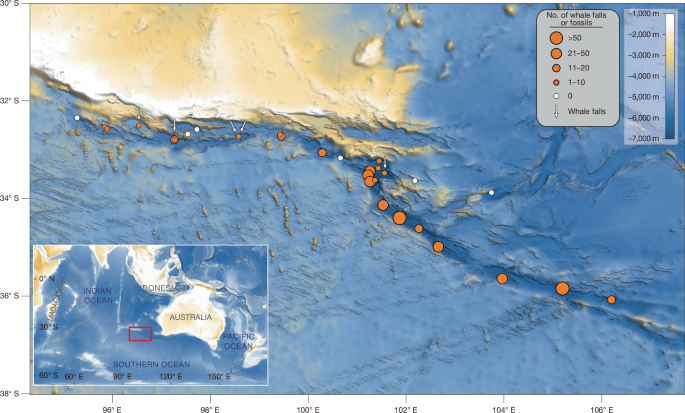
Whale-fall biota
From 8 February to 17 March 2023, using the Fendouzhe submersible capable of reaching depths of up to 11,000 m on board the R/V Tansuoyihao, we discovered extensive whale falls and fossils in the Diamantina Zone . During dive FDZ159, we first encountered whale fossils at a depth of 7,002 m, near the deepest point of the Dordrecht Deep. These fossils were found partially buried in soft surface sediments and lightly coated with black Fe–Mn oxides. Following the initial discovery, we conducted 32 dives to the sea floor, aiming at mapping the spatial distribution and extent of the whale falls and fossils, as well as identifying any associated whale-fall ecosystems. By doing this, we documented and collected samples from 485 whale-fossil sites and active whale falls from 1,200 km along the sea floor, representing an ecological landmark in the Diamantina Zone.
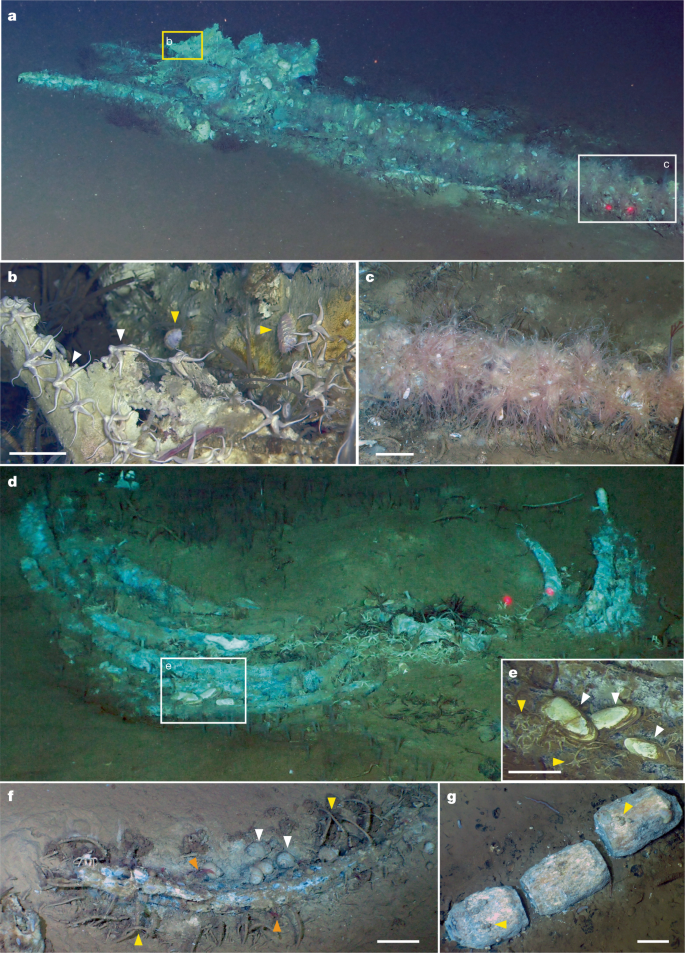
The five active whale falls are in the sulfophilic stage (Fig. 2). Bones are covered with dense, whitish microbial mats and bone-boring worms Osedax, indicating prolonged residence on the sea floor. At 6,789 m water depth, the Dordrecht Deep beaked-whale carcass WF1, consisting of three elongated vertebrae, has the deepest active whale-fall community. The largest carcass encountered, the 5-m-long skeleton WF3, was identified as the Antarctic minke whale Balaenoptera bonaerensis through the highly diagnostic earbone morphology17 and a nearly complete mitochondrial genome (GenBank: PX519993).
Across the five whale falls in the sulfophilic stage, the associated fauna are taxonomically broad, comprising 35 recognized macrofaunal taxa (more than 0.5 mm in size) documented from in situ imagery and collected specimens (Extended Data Table 1 and Extended Data Figs. 1 and 2). The macrofauna are dominated by annelids, crustaceans and molluscs, with further cnidarians and nematodes. Bone-eating worms, gastropods, vesicomyid bivalves and brittle stars dominate the megafauna (more than several centimetres in size), reaching local densities up to 2,840 individuals per square metre (Supplementary Table 2).
Most recovered taxa may be new to science. Molecular data were obtained for 21 species, but only the vesicomyid bivalve Abyssogena southwardae could be confidently assigned to species level through barcoding comparison with GenBank records; all remaining species were identified at genus or family rank, integrating morphological data. Three chemosymbiotic bivalves (Adipicola sp., Abyssogena southwardae and Thyasiridae sp.) hosting different sulfur-oxidizing microbial symbionts (Extended Data Fig. 2) and two bone-eating worms (Osedax sp. 1 and Osedax sp. 2) form the core of these communities18,19. The observations at water depths of 5,609 m and 5,634 m of sea daisies (Asteroidea: Xyloplax sp.) provide, to our knowledge, the deepest evidence of this genus, as well as the first record on whale falls, expanding the habitat of Xyloplax beyond wood falls and hydrothermal vents20. Three brittle-star species (Ophiambix sp., Ophioscolecidae gen. et sp. and Silax sp.) recovered from the whale skeletons differ notably from the dominant trench-floor ophiuroid genera Ophiosphalma and Ophiuroglypha. The absence of whale-fall species in the background sediments indicates that these brittle-star assemblages are highly specialized and confined to organic-rich whale substrates. In addition, some whale falls, for instance, at depths of 5,115 m, 6,470 m, 6,570 m and 6,772 m, are in the final reef stage (Extended Data Fig. 3). The exterior of these skeletons is primarily inhabited by common hard-substrate megafauna, such as the stalked sea anemone Galatheanthemum profundale, the pedunculate sponge Caulophacus sp. and the sea star Freyastera sp. The different faunal composition of the studied whale falls may be attributable to their sites, successional stages or carcass sizes.
Fossil whale fauna
The palaeontological analysis of 43 recovered fossils from the Diamantina Zone led to the identification of five beaked-whale species and one baleen-whale species. Most of the beaked-whale specimens, primarily consisting of isolated rostra, were attributed to two living ziphiid species: the Andrews’ beaked whale, Mesoplodon bowdoini, and the strap-toothed whale, Mesoplodon layardii, both of which are known to inhabit the present-day southeastern Indian Ocean. Diagnostic traits of M. layardii preserved in 14 specimens include a narrow, elongated, transversely compressed rostrum and a strongly pachyosteosclerotic vomer forming a prominent posterior bulge, a secondary anterior bulge and a midrostral dorsal depression in between. Further matching traits, such as the shape of the prominential notch and maxillary tubercle and the size and position of the infraorbital and premaxillary foramina, further support this identification. The seven rostra assigned to M. bowdoini are robust, moderately elongated and laterally compressed and provided with a single anterior vomeral bulge and a ventrally deflected apex, consistent with previous descriptions.
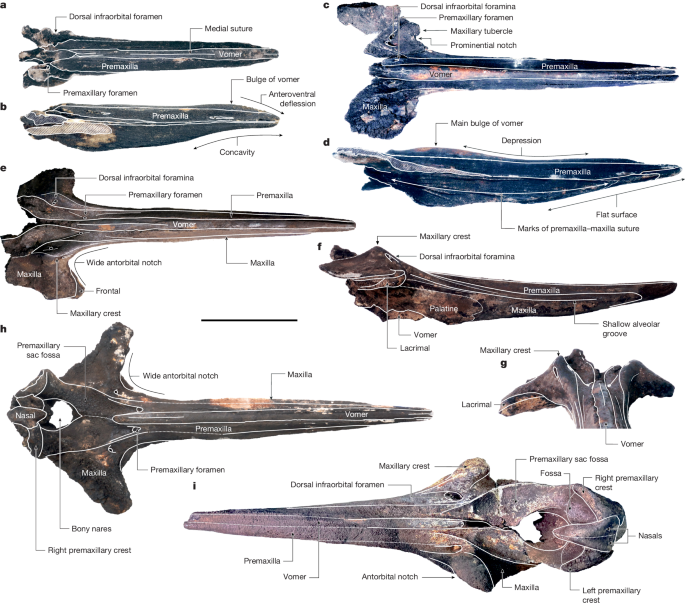
Three exceptionally well-preserved skulls were identified as belonging to the extinct genera Pterocetus and Izikoziphius, which were first described from fossils trawled from the sea floor off South Africa. As for Pterocetus, this extinct relative of the modern Mesoplodon spp. and bottlenose beaked whales is characterized by distinctive wing-like expansions of the preorbital processes. One Pterocetus specimen from the Diamantina Zone is referred to P. benguelae ; the other represents a new species, Pterocetus diamantinae sp. nov. The single Izikoziphius cranium closely resembles the type species I. rossi. Izikoziphius is a close relative of the extant Cuvier’s beaked whale but is recognized as a separate genus owing to the observation of a unique fossa on the premaxilla, a dome-shaped maxillary crest and a proportionally longer rostrum. Baleen-whale fossils include a fairly well-preserved tympanic bulla of the sei whale, Balaenoptera borealis and several dilapidated, largely indeterminate cranial and postcranial remains of mostly balaenopterid mysticetes (Extended Data).
Dating of whale fossils
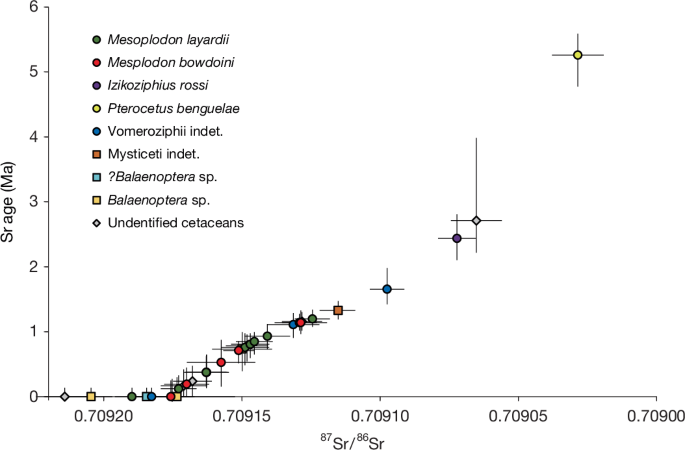
To determine the ages of the fossils, we analysed 33 fossil bone specimens for their strontium isotope composition (87Sr/86Sr). This method relies on comparing the isotopic signature preserved in the biominerals to the known historical record of seawater isotopes. Although this method is typically performed on compact dental tissues, the hyperdense bones of ziphiid rostra probably preserves a pristine Sr-isotope ratio. Eight samples exhibited Sr-isotope ratios identical to modern seawater, indicating complete geochemical exchange after death. The remaining 25 samples, however, yielded 87Sr/86Sr ratios ranging from 0.709173 to 0.709029. When calibrated against the seawater 87Sr/86Sr curve, these values correspond to ages between 0.12 Ma and 5.26 Ma. The fossil species Pterocetus bengulae and Izikoziphius rossi were found to be the oldest, with Sr-isotope average ages of 5.26 Ma and 2.44 Ma, respectively, whereas the extant species M. bowdoini (1.14–0 Ma) and M. layardii (1.20–0 Ma) are geologically younger. The oldest date indicates that whale-fall events have occurred in the Diamantina Zone since at least the Early Pliocene.
Genesis of the whale necropolis
On the basis of submersible observations, the density of whale remains reaches up to 759.5 individuals per square kilometre. The concentration of whale falls and fossils in the Diamantina Zone raises fundamental questions about the origin of this whale necropolis. Active whale-fall ecosystems were found thriving around both baleen and beaked-whale carcasses. The former group also includes the skeleton of an Antarctic minke whale, a circumpolar migratory species that is known to travel northward into the waters off southern Australia. This epipelagic filter-feeder relies on krill in the upper ocean layers, mostly at depths not greater than 150 m. Most cetacean fossils consist of robust beaked-whale rostra, which have probably endured the destructive biostratinomic processes at play on the sea floor thanks to their hyperostotic structure. Among the few exceptions are poorly diagnostic bone fragments of baleen-whale skulls and the well-mineralized tympanic bulla of a sei whale. Like the Antarctic minke whale, the sei whale migrates seasonally into the southeastern Indian Ocean. Observations of the diving behaviour of sei whales indicate feeding on copepods to depths of 50 m. Thus, the occurrence of remains of B. bonaerensis and B. borealis at such hadal depths is not related to deep-diving habits and rather is due to the carcasses sinking to the sea floor of this shared migratory corridor.
The vast majority of the cetacean remains belong to two deep-diving ziphiid species: the strap-toothed and Andrews’ beaked whales, both of which are known to inhabit the southeastern Indian Ocean Beaked whales are specialized predators of deep-water squid and fish, foraging along steep continental slopes, submarine canyons, abyssal plains and trenches. The Diamantina Zone, with its extreme depths ranging between 4,200 m and 7,000 m, complex V-shaped topography and abundant squid and fish resources as observed during our dives, provides an ideal deep-water foraging ground for beaked whales.
Natural mortality, combined with the inherent risks of deep diving, probably contributes to the accumulation of beaked-whale remains in the sea floor of this zone. These beaked whales possess extraordinary physiological adaptations for deep diving, routinely reaching depths more than 1,000 m and holding their breath for more than a hour. The maximum dive depth for beaked whales is estimated to be more than 3,000 m on the basis of lung collapse and oxygen storage. Thus, foraging at depths exceeding 3,000 m would be too physiologically taxing for beaked whales and may heighten the risk of fatal exhaustion or decompression sickness. Ultimately, the V-shaped topography of the Diamantina Zone may further contribute to this accumulation by funnelling and concentrating onto the sea floor the sinking carcasses caused by natural and accidental mortality.
Critically, the ultra-low regional sedimentation rate close to the Diamantina Zone (Broken Ridge, 0–5 Ma, 0.05–0.55 cm kyr−1) implies a prolonged exposure of the skeletal remains at the sea floor: one that would probably last more than several hundred thousand years at least. On slopes or uplifted sea floor zones, skeletal remains may remain exposed for extended periods: up to 5.3 million years, according to our dating data. The fossilized remains we observed are almost exclusively beaked-whale rostra, some of which have the highest bone density and mineral content among extant vertebrates. This high compactness probably inhibits rapid degradation, with long-term preservation on the sea floor being further enhanced by the progressive accumulation of ferromanganese oxides both within the bone matrix and on the outer bone surface. The latter process isolates the skeletal elements from the surrounding environment while increasing their robustness. For buried bones, additionally, authigenic carbonate precipitation during the organic degradation may also facilitate fossil preservation. The confluence of beaked whales’ deep-diving ecology, extreme foraging physiology, topographic focusing, an ultra-low sedimentation rate and early fossilization may explain the formation of this whale necropolis.
Implications
The discovery of whale-fall communities in the Diamantina Zone at depths exceeding 6,700 m establishes one of the deepest known whale-fall ecosystems in the ocean, extending the known depth range of such habitats by more than 2,500 m. Isolation, imposed by extreme depth, apparently has facilitated the development of a distinct, specialized whale-fall community dominated by species that may be new to science, as indicated by our molecular data. This not only expands our understanding of metazoan species richness in the deep-sea ecosystems but, given that we are still in the early stages of discovery of deep-sea whale-fall fauna, also indicates that these species probably exhibit ecological novelty and represent cases of adaptive radiation. For instance, these whale falls share key ecological and evolutionary links with deep-sea cold seeps and hydrothermal vents, including those in hadal trenches, as evidenced by shared taxa such as chemosymbiotic bivalves (Adipicola, Abyssogena and Thyasiridae), gastropods (Phymorhynchus) and squat lobsters (Munidopsis). The results support the hypothesis that deep-sea whale falls act as evolutionary hotspots and biogeographic stepping stones for sulfide-dependent fauna in the deep ocean. In the total survey area of 0.64 km2 (from 32 dives), five active whale falls were observed. This yields a density of 7.81 whale falls per square kilometre. Aligned along a northwest–southeast axis for 1,200 km, these falls may form a previously unrecognized ‘whale-fall community supercorridor’. This extensive biogeographic feature could have an important role in the dispersal, connectivity and evolution of deep-sea chemosynthetic communities across the Southern Indian Ocean.
As beaked whales are known primarily from rare strandings, their abundance, distribution and ecology remain poorly understood overall. Our discovery of an accumulation of skeletal remains of the two extant beaked-whale species Mesoplodon bowdoini and M. layardii provides an unparalleled source of information on these largely enigmatic cetaceans. Moreover, the investigated whale fossils, preserved for more than 5 million years, serve as an archive providing a direct, continuous record for tracing evolutionary trajectories. Comparative anatomical analysis of these remains can elucidate feeding behaviours, locomotion and ecological roles of deep-diving cetaceans. Thus, the Diamantina Zone necropolis constitutes a deep-sea fossil megasite: one that offers a window into the evolutionary history, palaeoecology and population dynamics of beaked whales from the Pliocene to the present day. Similar whale necropolises probably exist in other core beaked-whale habitats, such as South Africa, the Iberian Peninsula and off the Crozet and Kerguelen islands, as indicated by the recovery of abundant fossils by trawling, indicating that comparable hidden archives may be widespread in the global deep oceans.
Systematic palaeontology
Pterocetus diamantinae Bianucci & Collareta, sp. nov
LSID. urn:lsid:zoobank.org:act:406FD05A-360B-4DD5-B146-4E355504AFD2.
Holotype. FDZ182-R1a (deposited at the Hadal Museum, IDSSE-CAS, Sanya, China), partial skull including the rostrum and anterior neurocranium.
Locality and age. Diamantina Zone sea floor, age unknown.
Etymology. Named after the type locality.
Diagnosis. Pterocetus diamantinae is a congener of P. benguelae based on the observation of notably wide and deep antorbital notches, anterolaterally expanded preorbital processes and premaxillary foramina that are located distinctly anterior to the antorbital notches; it differs from P. benguelae by having higher, medially located, anteroposteriorly long maxillary crests that extend onto the rostrum base and smaller premaxillary foramina.
Methods
HOV observations
We conducted this investigation during the TS29-3 cruise (7 February to 18 March 2023) aboard the R/V Tan Suo Yi Hao, using the full-ocean-depth HOV Fendouzhe.
Thirty-two HOV surveys were conducted on the sea floor along the trench axis, spanning more than 1,200 km and distributing relatively evenly from the western to the central and southeastern regions. The estimated trench-floor area is about 14,400 km2, calculated in Global Mapper 26.1 by delineating the areal extent of the trench bottom. The HOV video survey had a field of view about 5 m in width, calibrated using 10-cm laser scale points. The surveyed area was estimated from the view width and the sea floor transect length recorded by the in situ footage. Each transect was 2.4–5.5 km long (4.3 km on average), with a cumulative length of 127.72 km for all 32 dives, yielding a total surveyed area of about 0.64 km2. The diving map was generated using Global Mapper 26.1, with basemap data from Global Multi-Resolution Topography (GMRT) Synthesis under a CC BY 4.0 license.
Collecting and processing of whale-fall fauna samples
Whale-fall fossil samples were collected using the submersible’s two hydraulically powered manipulator arms, operated by the submersible’s pilots, and stored in geological baskets. The whale-fall bones in the sulfophilic stage were collected using the arms and kept in the biobox. Some associated free-living whale-fall fauna species, including gastropods, squat lobsters and brittle stars, were collected using the slurp sampler mounted on the submersible. On retrieval of the submersible, the whale bones and associated specimens were immediately sorted, fixed and registered in the ship’s laboratory. For taxonomic purposes, specimens were preserved using either a 10% formalin or a 75% ethanol solution. Specimens for molecular analysis were preserved directly in −80 °C freezers.
Examination of the whale-fall fauna and bivalve chemosymbionts
Morphological identification was based on published literatures of deep-sea macrobenthos faunas, especially that reported from whale falls, cold seeps and hydrothermal vents.
For further molecular examination, whale faunal tissues (up to 0.5 cm3) were subjected to DNA extraction, library preparation and metagenomic sequencing at Novogene Co., Ltd. Metagenomic sequencing was conducted using DNBSEQ-T10 (MGI) at Novogene to generate 2 bp × 150 bp pair-ended reads of about 50 Gb. Raw sequencing reads were qualified and assembled into contigs routinely. Assembled contigs were searched against the MetaCOXI database using the BLASTN program to extract mitochondrial 16S ribosomal RNA (rRNA) and cytochrome c oxidase I sequences. The 18S and 28S rRNA gene sequences were predicted using rRNA_HMM.
To detect potential chemosynthetic symbionts in three bivalves, microbiome analyses were conducted to obtain metagenome-assembled genomes (MAGs) of associated microbials from the investigated bivalve gill tissues. The assembled metagenomes were subjected to genome binning, duplicate removal and quality evaluation and finally were annotated using GTDB-tk (v2.4.0) against the GTDB database R220. The dominate symbiont MAGs are listed in Extended Data according to relative abundances of all microbial reads from each host bivalve species.
Density assessments
Density assessments for the macro- and megafauna in whale-fall communities were conducted by analysing high-definition video recorded by the HOV’s dual camera system. Scale was provided by two parallel laser pointers (10 cm apart) visible in the footage, allowing the sizing of individual animals and communities. Each whale fall, including both the bone region (dominated by Osedax) and the surrounding sediment region influenced by the carcass (dominated by jellyfish or tubeworms), was measured as an entire whale-fall community by species. For three smaller whale falls (WF1, WF2, WF4), faunal density was analysed for the whole whale fall by directly counting the total number of faunal individuals observed. For two larger whale falls, 16 (WF3) or 6 (WF5) quadrats, each 4 dm2, were randomly selected and counted. In the latter case, the average density and the maximum density (the highest count observed in a single quadrat) were analysed.
Sr isotopic dating for whale fossils
Twenty-five fossil bone specimens were analysed for Sr isotopes at Nanjing FocuMS Technology Co. Ltd., and eight specimens were analysed at the Radiogenic Isotope Facility, University of Queensland. Samples (about 0.1 g) were fully digested in nitric acid. At Nanjing FocuMS Technology Co. Ltd., Sr separation was performed by means of a two-step column chemistry (HCl elution on Bio-Rad AG50W-X8 resin and then Milli-Q water elution on Sr-specific resin); at the Radiogenic Isotope Facility, the Sr purification protocol used was adopted. Sr-isotope ratios of final solutions were determined using Nu Plasma MC-ICP-MS at both laboratories. Raw data were corrected for exponential mass fractionation by normalizing to 86Sr/88Sr = 0.1194. Periodical measurements of the Sr standard (SRM 987) were used for instrumental drift correction. Accuracy was monitored using United States Geological Survey reference materials (BCR-2, BHVO-2, EN-1), and the results agreed with published values. Best-fit ages were calculated from the mean isotopic ratios using the seawater 87Sr/86Sr curve.
Phylogenetic analysis
The phylogenetic relationships of Perucetus diamantinae sp. nov. with the other Ziphiidae were investigated with the software PAUP (v.4.0a169), using the same morphological data matrix and assumptions with the addition of the following new character, which shows only the derived state (1) in Pterocetus benguelae and P. diamantinae: antorbital notch: narrow, V- or U-shaped (0); deep and broad, bordered posterolaterally by an anteroventrolaterally expanded antorbital process (1). Homoplastic characters were downweighted using the method. The result of this analysis is presented in the Extended Data. Largest whale ‘graveyard’ discovered, with skeletons spanning 5 million years Over the course of some 30 additional dives, the researchers discovered an incredible array of whale remains, as well as traces of the animals’ activity at most of the site.
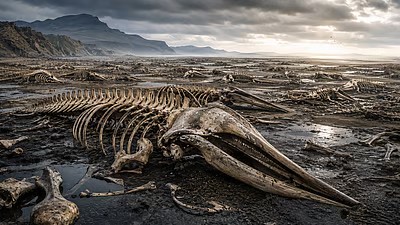
It contains nearly 500 whale skeletons all collected by chance and spreads across 750 miles of seafloor and five million years of evolutionary history. “They’ve really captured something novel,” says Nick Pyenson, a paleontologist at the Smithsonian Institution’s National Museum of Natural History, who was not involved in the new research. The discovery is detailed in a study published today in Nature. “It’s a cool study; it’s really neat to see,” Pyenson says. The discovery is centered on the Diamantina Fracture Zone, which travels west from the southwesternmost tip of Australia into the Indian Ocean along a rift valley that formed some 50 million years ago, when the Down Under continent split from Antarctica. In early 2023 Chinese scientists used a crewed submersible vehicle to scout along the fracture and spotted what they quickly realized was a whale fossil at some 23,000 feet (7,000 meters) below the surface. Over the course of some 30 additional dives, the researchers discovered an incredible array of whale remains, as well as traces of the animals’ activity at most of the sites they explored. Five of the whale skeletons they found were recent enough to be hosting the type of dynamic ecosystem that scientists associate with “whale falls.” Such systems support a shifting cast of scavengers and then microbes specialized to these fleeting feasts. (Because scientists only discovered whale falls less than 50 years ago, Pyenson says that researchers don’t have an accurate estimate for how long these pop-up ecosystems can last.) In the Diamantina zone, all five of the whale falls the scientists suspect that some of these creatures may represent undescribed species. These tantalizing observations only scratch the surface of this discovery. Perhaps more interesting still are the hundreds of barren whale remains that the researchers saw during their dives. In these cases, the whale bones managed to fossilize before scavengers and microbes could demolish the massive carcasses. And because sediment accumulates so slowly at these depths, the fossils have remained exposed for thousands or even millions of years. The researchers were able to use their submersible to collect 33 samples of the fossils, which were dated to between 5.26 million and 120,000 years old–a stunning range, Pyenson says. For him, the site is the marine equivalent of the famous La Brea Tar Pits in downtown Los Angeles, a site that has gathered and preserved carcasses over a range of geological time. The “paper reminded me of a trailer for the first in a series of epic movies,” wrote Stephen Godfrey, a paleontologist at the Calvert Marine Museum, who was not involved in the finding, in a piece accompanying the paper that was also published in Nature. “I hope that there will be many more of these blockbusters to come.” “It shouldn’t be surprising that we find this kind of site,” Pyenson says. “What they’re documenting here is probably not unique.” He believes it might be possible to find similarly massive numbers of whale remains along common migration “superhighways”–at least those routes that have remained more or less stable over millions of years. “That’s what’s really cool,” Pyenson says. “It really underscores the value of protecting and better understanding these deep-sea environments.”
Location and Scale
- The Corridor: Spans a massive 1,200-kilometer (750-mile) stretch of the seafloor.
5.3-million-year-old whale graveyard hotspot found in Indian Ocean Scientists have discovered the world’s deepest and largest collection of whale remains on the ocean floor, a site they call a “whale necropolis.”
Located in the Diamantina Zone of the southeastern Indian Ocean, at depths of up to 7,000 meters, the find includes both ancient fossils and active whale-fall ecosystems that have been forming for at least 5.3 million years.
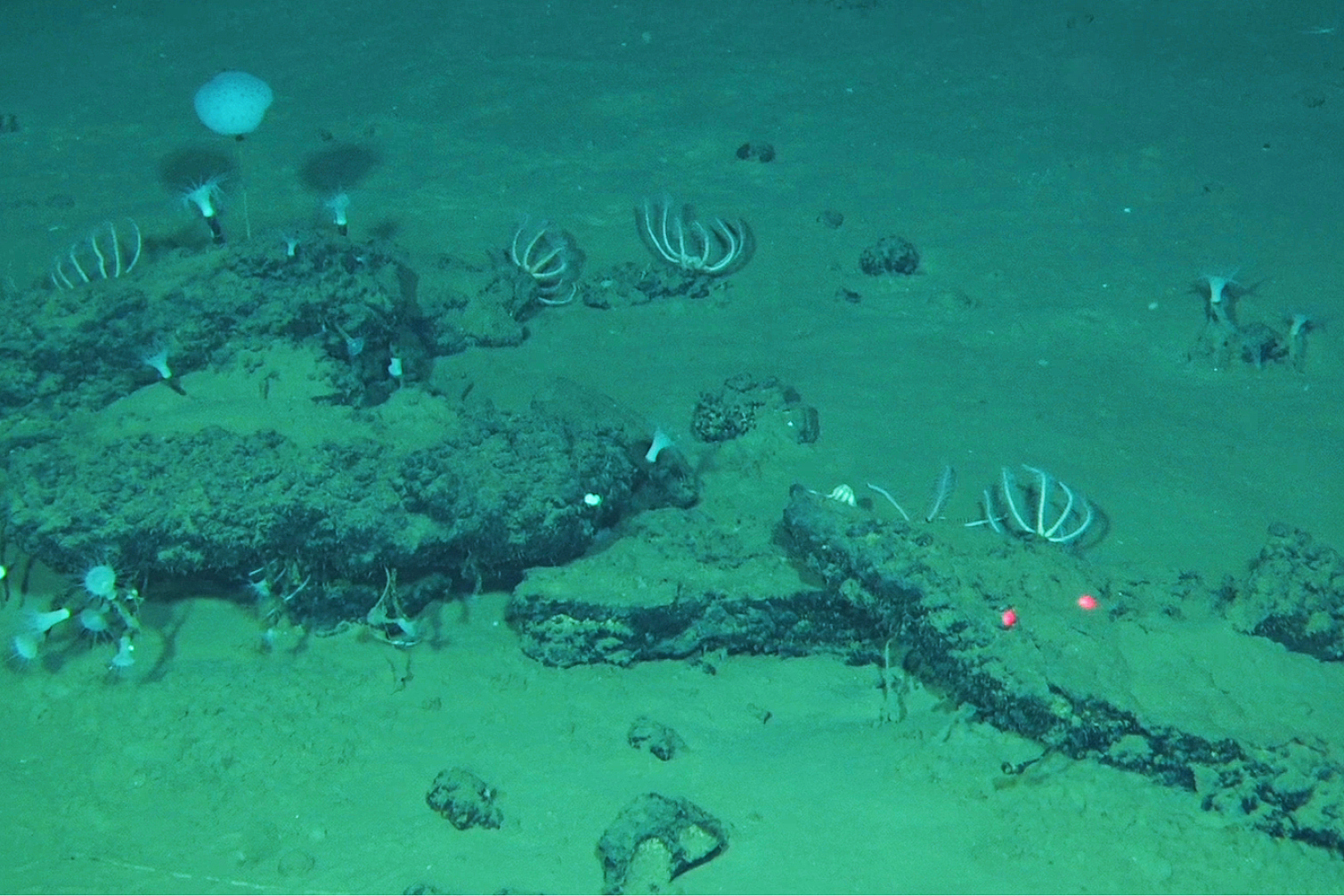
Whale remains on the seafloor have his deep rift valley formed when Australia separated from Antarctica.
Extreme Depths: Lies between 4,616 and 7,001 metres below the ocean surface. It marks the first time active whale falls have been recorded in hadal depths (deeper than 6,000 metres).
The Discoverers: Found by scientists from China, Italy, and New Zealand using the crewed deep-sea submersible Fendouzhe (Striver). Whale graveyard dating back five million years discovered enormous whale graveyard around 1,200km (745 miles) long has been discovered in the south-eastern Indian Ocean.
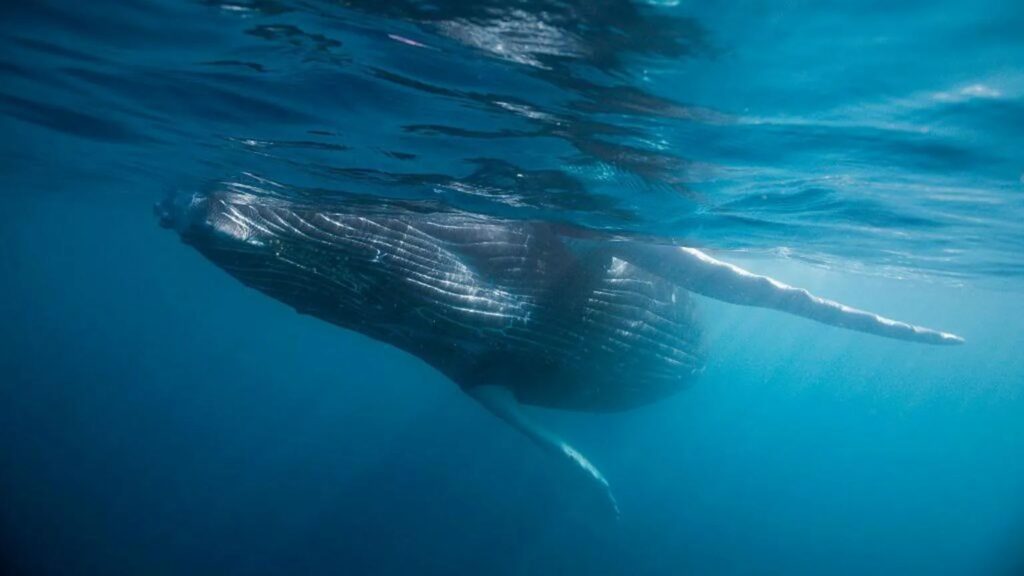
The site, which is 7km (four miles) deep, has been found in the Diamantina fracture zone, a range on the sea floor of ridges and trenches.
But it is the age of the remains – some from 5.3 million years ago – that has prompted huge excitement in the scientific community. A vast whale necropolis has been found into deep-sea area roughly 1,200 kilometres long and 7 kilometres deep was found to harbour an ecological landmark site of whale remains. There are many examples of sites with vast accumulations of preserved fossils. Some of these fossil ‘graveyards’ (meaning sites with an accumulation of remains, rather than chosen locations associated with death) formed in marine settings and became accessible only through the uplift of tectonic plates. These sites formed at various times, but none is still actively forming. Peng et al. describe a newly discovered, unique graveyard of whale remains (also called whale falls), deep in the southeastern Indian Ocean along the length of what is known as the Diamantina fracture zone. One of the study’s authors Xiaotong Peng of the Chinese Academy of Sciences said: “Discovering a necropolis of this scale was completely unexpected.
“The size of distribution, the depth and the age range were far beyond anything we had imagined.”
During 32 dives to the site, explorers collected samples from 485 whale-fossil sites and active whale falls, and found a treasure trove of remains, including one extinct whale’s skeleton.
The beaked Pterocetus benguelae, which is 5.3 million years old, was discovered to be one of the fossilised skulls in the graves.
A five-metre long Antarctic minke whale’s carcass was the largest discovery made.
A new species which the team has called Pterocetus diamantinae, after the site, was also uncovered.
Jellyfish, worms and crustaceans are among the community of creatures living off the huge spread of carcasses.
“Peng and colleagues’ encounter with a vast fossil graveyard is a truly unique discovery,” Stephen J Godfrey of the Calvert Marine Museum wrote in Nature.
“Although the site has limited accessibility, it seems likely to hold many other exciting finds, and it will no doubt inspire more submersible dives in similar environments.
“Peng and colleagues’ paper reminded me of a trailer for the first in a series of epic movies. I hope that there will be many more of these blockbusters to come.”
What Was Found
The team completed 32 dives, documenting 485 sites packed with a mix of ancient history and recent biology: A 5.3 million‑year‑old whale graveyard has been found on the floor of the Indian Ocean When a whale dies, a very special natural phenomenon can come alive. The carcass might float at the surface for some time, attracting sharks and other predators. As it becomes weathered it may start to sink, falling through the water until it eventually settles on the seafloor where deep sea scavengers feast upon it.
The scientific record of “whale falls” is sparse and fragmentary. Southwest Australian Minderoo-UWA Deep-Sea Research Centre embarked on a 14 day voyage aboard the Pangaea Ocean Explorer to explore, to sample, and map key seabed features off the southwest of Australia, at abyssal and hadal depths (2000 – 6200 metres deep). A whale-sized find in the middle of the ocean
During a special dive mission in February 2023 using a submersible called the Fendouzhe, the team of scientists discovered extensive whale skeletons and fossils partially buried in sediment on the seafloor.
Following the initial discovery, the team made 32 more dives to the seafloor over the next month, mapping the extent of the necropolis.
It stretched roughly 1,200 kilometres along the seafloor at depths of between 4,200 and 7,000 metres. It contained 476 whale fossils as well as five active whale falls.

These active whale falls were teeming with many strange-looking creatures, including jellyfish, brittle stars and bone-boring worms – many of which may be new to science, according to the researchers.
From the 43 fossils the team recovered, they identified five beaked-whale species, including the Andrews’ beaked whale (Mesoplodon bowdoini) and the strap-toothed whale (Mesoplodon layardii) which are known to inhabit the region, and one species of baleen whale – the sei whale (Balaenoptera borealis).
The largest find was a dead Antarctic minke whale, five metres in length, which the team identified from its distinct ear bone shape, as well as genetic analysis. The team also identified a new whale species – Pterocetus diamantinae – which is now extinct. Isotopic dating is the measurement of time using the decay of radioactive isotopes and accumulation of decay products at a known rate. With isotopic chronometers, we determine the time of the processes that fractionate parent and daughter elements. Modern isotopic dating can resolve time intervals of ~1 million years over the entire lifespan of the Earth and the Solar System, and has even higher time resolution for the earliest and the most recent geological history. Using isotopic dates, we can build a unified scale of time for the evolution of Earth, the Moon, Mars, and asteroids, and expand it as samples from other planets become available for study. Modern geochronology and cosmochronology rely on isotopic dating methods that are based on decay of very long-lived radionuclides. Scientists Discover World’s Largest Whale Graveyard With Bones Over 5 Million Years Old. Some of the fossils recovered from the site date back as far as 5.3 million years, making it the oldest known whale graveyard ever documented. Chinese scientists found the world’s largest and oldest whale graveyard in the Indian Ocean Diamantina Fracture Zone with fossils up to 5.3 million years old 485 whale fossil sites using a deep-sea submersible at nearly 7,000 meters depth Researchers from China, Italy, and New Zealand made the discovery during 32 dives conducted in 2023 using China’s crewed deep-sea submersible Fendouzhe. Descending nearly 7,000 metres below the ocean surface, the team surveyed 485 whale-fossil sites and active whale falls, collecting samples with robotic arms and documenting an astonishing concentration of remains. The team recovered fossils from numerous whale species, particularly beaked whales, and identified both ancient and more recent carcasses. Among the most significant finds was a fossil skull belonging to the 5.3-million-year-old beaked whale species Pterocetus benguelae. Researchers also identified a previously unknown extinct whale species, which they named Pterocetus diamantinae after the discovery site.
The largest modern carcass found was that of a five-metre-long Antarctic minke whale.
Beyond the fossils themselves, the graveyard revealed thriving ecosystems built around the decaying remains. Scientists observed jellyfish, brittle stars, crustaceans, bivalves and bone-boring worms feeding on nutrients released by the carcasses. Many of the organisms appear to be previously undocumented and may represent species new to science. From inside the submersible, researchers witnessed dense biological communities flourishing in an environment that would otherwise be dark, cold and largely devoid of food. Study co-author Peng Zhou described the experience as transformative, saying the vibrant ecosystems offered a completely different view of life on the deep ocean floor.
Whale falls are known to provide food and habitat for deep-sea organisms when dead whales sink to the seabed. However, scientists say nothing comparable to the Diamantina discovery has ever been recorded. Based on the density of bones observed, the team estimates that the region may contain more than 10 million whale carcasses. Researchers believe so many whales accumulated in the area because it was historically a rich feeding ground. A V-shaped trench system may also have acted as a natural funnel, directing carcasses into the same deep-sea basin over millions of years.
The ecological significance of the site extends beyond its fossil record. According to the study, the soft tissues and lipids contained within the estimated number of carcasses represent roughly 6.7 million tonnes of sequestered carbon. This enormous reserve of organic matter has likely supported deep-sea ecosystems for millennia, much like hydrothermal vents and cold seeps sustain life in other parts of the ocean. Scientists also noted that some species inhabiting the whale falls are commonly found around hydrothermal vents and cold seeps, suggesting that whale carcasses may serve as stepping stones linking otherwise isolated deep-sea communities.
Marine paleontologist Stephen J. Godfrey described the discovery as unique, saying the site is likely to yield many more important findings despite its extreme depth and limited accessibility.
Extinct Species: The site contains fossils of extinct deep-diving beaked whales, including Pterocetus benguelae and a completely new species named Pterocetus diamantinae.
The high concentration of whale remains in the region raises the question of how exactly this graveyard was formed. The authors suggest the reason probably has to do with the V-shaped topography of the Diamantina Zone which funnels carcasses onto the seafloor, plus the fact that many deep-diving beaked whale species are known to inhabit this part of the ocean.

A reminder of how little we know
This work deepens our our understanding of whale falls and the incredible ecosystems they support. It also deepens our understanding of beaked whales – usually offshore species which routinely dive up to 1 kilometre and hold their breath for more than an hour.
The finding of five million-year-old fossils provide an evolutionary window into the history of beaked whales from the Pliocene epoch to the present day.
This research is also a humbling reminder of how little we know of the deep sea – and how when we look for something, we may just find it, and so much more.
Modern Carcasses: Alongside millions-of-years-old bones were modern “whale falls,” including a five-metre-long Antarctic minke whale.
Staggering Projections: Scientists logged an average density of up to 759.5 whale remains per square kilometer. Extrapolating this data across the full zone suggests more than 10 million whale carcasses could be resting there. Lead author Xiaotong Peng of the Chinese Academy of Sciences said the researchers were stunned by the scale of what they found. “Discovering a necropolis of this scale was completely unexpected. The size of distribution, the depth and the age range were far beyond anything we had imagined,” he said. Scientists also noted that some species inhabiting the whale falls are commonly found around hydrothermal vents and cold seeps, suggesting that whale carcasses may serve as stepping stones linking otherwise isolated deep-sea communities.
Marine paleontologist Stephen J. Godfrey described the discovery as unique, saying the site is likely to yield many more important findings despite its extreme depth and limited accessibility.
Staggering Projections: Scientists logged an average density of up to 759.5 whale remains per square kilometer. Extrapolating this data across the full zone suggests more than 10 million whale carcasses could be resting there.
Why Did They Accumulate Here?
Scientists point to a combination of distinct biological and geographical factors:
- Rich Feeding Grounds: The zone has historically been an abundant hunting ground for beaked whales diving for squid.
- Perilous Dives: Hunting deeper than 3,000 metres pushes beaked whales to their physiological limits, leading to natural exhaustion or decompression sickness.
- The Funnel Effect: The steep, V-shaped topography of the underwater trenches acts as a natural funnel, using deep currents to collect drifting carcasses into a concentrated basin.
- Perfect Preservation: Extremely slow sediment accumulation at these deep-sea levels, paired with mineral coatings from seawater, kept the fossilized bones exposed and preserved rather than buried.
🦠 A Thriving, Hidden Ecosystem
A dead whale sinking to the ocean floor creates a “whale fall”—a localized oasis of life. In this dark corridor, the carcasses support a massive chemosynthetic ecosystem:
- Extreme Life: The remains teem with brittle stars, bone-boring worms, squat lobsters, and bivalves. Over 35 different organisms were logged, many of which are entirely new to science.
- Stepping Stones: Several species found on the bones match those typically restricted to isolated hydrothermal vents and cold seeps, suggesting whale falls act as stepping stones allowing species to disperse across vast ocean floors.
- Carbon Trap: The massive volume of soft tissue and lipids from 10 million carcasses represents roughly 6.7 million tonnes of sequestered carbon. This single graveyard holds a carbon reserve equal to roughly 4,700 years of “marine snow” falling across the deep ocean.
