
Gujarat Steps Up LPG Supply by 20% to Avoid Shortages in Hospitals, Schools, Old-Age Homes Gujarat increases LPG supply by 20% to prevent shortages, prioritising hospitals, schools, and welfare schemes while promoting PNG adoption across cities.

The Gujarat government has increased liquefied petroleum gas (LPG) distribution by nearly 20% to prevent supply shortages, particularly in critical sectors such as hospitals and educational institutions. The move comes amid global fuel market disruptions, with the state focusing on maintaining uninterrupted access for essential services.
LPG Supply Increased to Protect Essential Services
As per news reports, authorities have strengthened coordination between district administrations, police, and oil marketing companies to boost supply. Besides, additional monitoring measures have also been introduced at gas agencies to prevent disruption and ensure fair distribution.
Public Welfare Schemes Get Full Supply Support
Government-run programmes, including mid-day meal schemes and other social welfare initiatives, are also receiving uninterrupted LPG supply.
This ensures continuity in critical services that depend on fuel availability, especially those catering to vulnerable populations. The state’s approach reflects a prioritisation strategy where essential consumption is protected first before allocating supplies to other segments.
Commercial Use Curbed, PNG Adoption Encouraged
While essential sectors receive full support, restrictions have been placed on commercial LPG usage in non-critical segments. Industries without access to piped natural gas (PNG) may receive up to 70% of their normal supply, while restaurants, hotels, and corporate canteens face tighter caps.
At the same time, the government is actively promoting PNG connections in cities where infrastructure exists. Commercial establishments such as hotels and restaurants are being encouraged to switch to PNG for a more stable fuel supply.
Conclusion
By increasing LPG distribution and prioritising essential sectors like hospitals and schools, Gujarat aims to prevent supply disruptions and maintain service continuity. The parallel push towards PNG adoption is expected to ease pressure on LPG demand, helping the state navigate ongoing global fuel uncertainties more effectively.
Disclaimer: This blog has been written exclusively for educational purposes. The securities mentioned are only examples and not recommendations. This does not constitute a personal recommendation/investment advice. It does not aim to influence any individual or entity to make investment decisions. Recipients should conduct their own research and assessments to form an independent opinion about investment decisions.
Investments in the securities market are subject to market risks. Read all the related documents carefully before investing.
LPG Price in India Today, March 17: Check Rates in Delhi, Mumbai, Bangalore and More Cities Check LPG prices for March 17, 2026, in major Indian cities including Delhi, Mumbai, Kolkata, Chennai, Bangalore, and Hyderabad.

On March 17, 2026, LPG prices in India reflect the latest monthly revision for both domestic and commercial cylinders. These rates are determined by state-run oil marketing companies and are revised periodically based on global market trends.
The latest price update affects households and businesses across several metro cities and state capitals.
LPG Prices in Major Indian Cities on March 17, 2026
The LPG prices for domestic and commercial cylinders in key Indian cities are as follows:
| City | Domestic (14.2 Kg) | Commercial (19 Kg) |
| New Delhi | ₹913.00 (+₹60.00) | ₹1,884.50 (+₹144.00) |
| Mumbai | ₹912.50 (+₹60.00) | ₹1,836.00 (+₹144.00) |
| Kolkata | ₹939.00 (+₹60.00) | ₹1,988.50 (+₹144.00) |
| Chennai | ₹928.50 (+₹60.00) | ₹2,043.50 (+₹144.00) |
| Bangalore | ₹915.50 (+₹60.00) | ₹1,958.00 (+₹144.00) |
| Hyderabad | ₹965.00 (+₹60.00) | ₹2,105.50 (+₹144.00) |
Factors Influencing LPG Prices in India on March 17
LPG prices in India are determined by state-run oil companies and are generally revised on a monthly basis. The pricing mechanism is influenced by international benchmark LPG rates as well as the exchange rate between the Indian rupee and the US dollar.
Any increase in LPG prices can have a significant impact on household expenses, as LPG cylinders are widely used for cooking in Indian homes. Rising fuel costs also affect small businesses such as restaurants, food stalls and catering services that rely heavily on LPG for their daily operations.
Domestic vs Commercial LPG Cylinders
Domestic LPG cylinders typically weigh 14.2 kg and are mainly used in households for cooking purposes. In contrast, commercial LPG cylinders weigh 19 kg and are primarily used by businesses such as restaurants, hotels, and food vendors.
Commercial cylinders are usually priced higher than domestic cylinders because they are not covered under government subsidy schemes and are largely linked to market rates.
Conclusion
The latest LPG price update for March 17, 2026, highlights the continued impact of global energy prices and currency movements on domestic fuel costs. Consumers and businesses are advised to stay updated on these price revisions, as LPG remains a key fuel source for households and commercial establishments across India.
Disclaimer: This blog has been written exclusively for educational purposes. The securities mentioned are only examples and not recommendations. This does not constitute a personal recommendation or investment advice. It does not aim to influence any individual or entity to make investment decisions. Recipients should conduct their own research and assessments to form an independent opinion about investment decisions.
Investments in the securities market are subject to market risks. Read all related documents carefully before investing.
Key highlights of these state-led initiatives include:
- Maharashtra (100% Priority): The state government is enforcing strict sector-wise rationing of commercial LPG, with 100% allocation guaranteed for hospitals, government schools, midday meal schemes, government hostels, ashram schools, and community kitchens. Special district-level committees have been formed to ensure uninterrupted supply to these sectors.
- Gujarat (20% Extra Allocation): The Gujarat government has increased commercial LPG supply by 20% to avoid shortages in hospitals, schools, and old-age homes.
- Chhattisgarh (Prioritization Plan): Chhattisgarh has capped commercial LPG usage at 20% of previous usage for general businesses while providing priority access to hospitals, schools, security forces, and government-run institutions.
- Uttarakhand (Priority Access): The state has assured that hospitals and essential institutions will receive LPG cylinders on a priority basis, and alternative fuels like wood are being arranged as a precautionary measure.
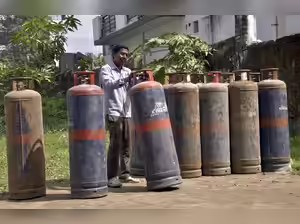
The government has also begun preparations to provide wood for commercial use if needed, but asserted that there was no shortage of gas cylinders in the state. State Chief Secretary Anand Bardhan held a review meeting in the state’s summer capital, Gairsain, with officials from all districts and state-level coordinators from oil and gas companies joining the meeting via videoconference. According to a government release, the meeting decided to prioritise the supply of commercial gas cylinders to hospitals and educational institutions.
It was decided in the meeting that for the time being, the supply of cylinders to hotels, dhabas, and other commercial establishments would be limited to avoid any disruption to essential services. The chief secretary clarified that there is adequate availability of domestic gas cylinders in the state and there is no shortage of any kind.
Bardhan directed to strictly curb the black marketing and illegal storage of gas cylinders and conduct regular raids in the districts. He also told them to form quick response teams (QRTs) headed by sub-district magistrates at the tehsil level.
The chief secretary also asked officials to maintain constant coordination with oil companies and gas agencies operating in the districts. State-Level Coordinators, Krishna Kumar Gupta and Swarn Singh, informed the officials at the meeting that there was adequate availability of domestic gas cylinders in the state and that there was currently no shortage.
Bardhan said that some people may try to spread rumours about a shortage of gas cylinders. Such “misleading propaganda” should be stopped from being spread on social media and other platforms, he said, directing strict legal action against the culprits. He said that to deal with the situation, the Uttarakhand Forest Development Corporation has been instructed to ensure the availability of wood so that it can be used as an alternative fuel for commercial activities if needed.
Maharashtra LPG Supply SOP
Priority: The state government has taken precautionary measures as the global fuel supply chain has been affected due to the war between Iran and Israel.
To ensure smooth supply of domestic and commercial gas cylinders, the administration has issued special regulations (SOP), directing that essential services like hospitals, schools and ashrams be given priority in gas supply. The Maharashtra government has issued a Standard Operating Procedure (SOP) to ensure the uninterrupted supply of LPG cylinders following global fuel supply chain disruptions caused by the Iran-Israel conflict. While the state maintains that there is no current shortage of domestic LPG, these regulations are a precautionary measure to prevent panic and ensure essential services remain operational. Maharashtra sets up district panels to ensure LPG supply amid Iran–Israel tensions there is currently no shortage of domestic cooking gas but authorities have been asked to closely monitor the supply chain.
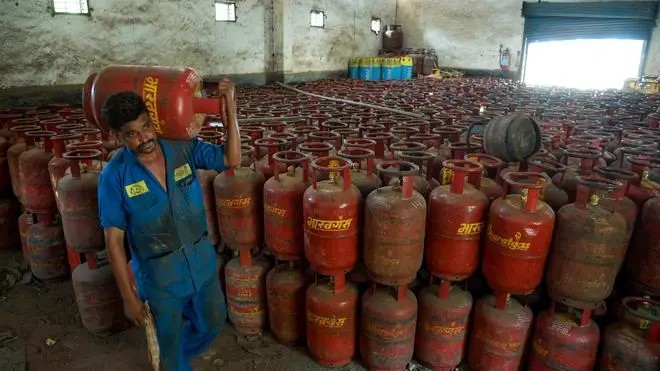
Against the backdrop of the ongoing Iran–Israel conflict and concerns about potential disruptions in global energy supply chains, the Maharashtra government has initiated a series of measures to ensure the uninterrupted availability of domestic and commercial LPG cylinders across the state.
The government has also decided to set up special monitoring committees at the district level to prevent disruptions in supply and manage the situation in the event of a potential shortage. The Food, Civil Supplies and Consumer Protection Department said the state currently has adequate LPG supplies and there is no shortage of domestic cooking gas. However, as a precautionary measure in view of the evolving geopolitical situation, authorities have been directed to closely monitor the LPG supply chain and ensure smooth distribution.
Priority LPG Supply Hierarchy
Under the new SOP, the administration has categorised consumers to manage distribution effectively:
Commercial & Industrial Sectors: These sectors are subject to rationing, with recent updates showing an increase in allocation to 50%–70% of pre-crisis levels for key industries like hotels, restaurants, and labour-intensive sectors (steel, textile) where piped gas is not a substitute.
100% Allocation (Top Priority): Essential services are guaranteed their full requirement of LPG cylinders to ensure uninterrupted operations. This includes:
Hospitals (Government and Private).
Educational Institutions, including school/college mess facilities and government hostels.
Ashram Schools and Anganwadis.
PM POSHAN (Mid-day meal) scheme serving lakhs of students.
Community Kitchens.
Domestic Households: High priority is maintained for domestic consumers to ensure cooking gas availability.
Updates on Key Sectors in View of Developments in West Asia
Retail outlets operating normally; Public advised not to believe rumours
Additional LPG allocation to priority sectors including migrant labourers; over 37,000 small LPG cylinders (5Kg) sold yesterday
States/UTs urged to step up action against hoarding and black marketing
States/ UTs also advised to hold daily press briefings and issue regular public advisories
Shipping movements are being closely monitored
Port operations across India remain normal
Flight operations improve; Around 4.5 lakh passengers return since 28 Feb
Posted On: 26 MAR 2026 3:29PM by PIB Delhi
In light of the ongoing developments in West Asia, the Government of India continues to closely monitor the situation and is taking necessary preparedness and response measures to ensure stability across critical sectors. An update on key aspects, including energy supply, maritime operations, and support for Indian nationals in the region, is provided below.
Energy Supply and Fuel Availability
With the Strait of Hormuz remaining closed, the Government of India has taken a series of measures to maintain uninterrupted supply of petroleum products and LPG across the country. The present status is outlined below:
Crude/Refineries
· All refineries are operating at high capacity, with adequate crude inventories in place. The country is also maintaining sufficient stocks of petrol and diesel.
· Domestic LPG Production from refineries has been increased to support domestic consumption.
Retail Outlets
· All Retails outlets are operating normally across the country.
· Panic Buying reported in Some areas – There were certain rumours which led to panic buying at some Retail outlets in few States, resulting in unusually high sales and heavy crowding at Retail outlets. However, it is informed that there are adequate stocks of petrol and diesel available at all Petrol Pumps in the country.
· The Government reiterates its advice to the public not to believe rumours.
Natural Gas
· Consumers have been prioritised with 100% supplies to D-PNG and CNG-Transport.
· Supplies to industrial & commercial consumers connected on grid is at 80% of their average consumption.
· CGD entities have also been advised by Govt. of India to prioritize PNG connections for commercial establishments such as restaurants, hotels and canteens across all their Gas, to address concerns regarding the availability of commercial LPG.
· CGD Companies like IGL, MGL, GAIL Gas and BPCL have offered incentives for taking domestic and Commercial PNG connections.
· Govt. of India has requested Govt. of States/UTs and Central Ministries to expedite approval of applications required for expansion of CGD network.
· Govt. of India vide letter dated 18.03.2026 has offered all States/UTs additional 10% allocation of commercial LPG to States provided they can help in long term transition from LPG to PNG.
· Some States have come up with policies for faster Right of User/Right of Way (RoU/RoW) permission, longer working hours and also rationalization of RoU/RoW charges.
· In response to above Govt. of India letter, Petroleum and Explosive Safety Organisation (PESO) has advised all its offices to dispose off CGD applications on priority i.e., within 10 days of receipt.
· PNGRB vide its order dated 23.03.2026 has directed all CGD entities to make all out efforts to connect residential schools & colleges, hostels, community kitchens, anganwadi kitchens etc. through PNG within 5 days, wherever pipeline infrastructure is available in near vicinity.
· Ministry of Road, Transport & Highways vide letter dated 24.03.2026 has stated that they have adopted “Accelerated Approval Framework for CGD Infrastructure with reduced timelines” as a special measure for 3 months wherein applications pertaining to CGD infrastructure shall be processed on priority.
· Govt. of India vide Gazette dated 24.03.2026 has notified the Natural Gas and Petroleum Products Distribution (Through Laying, Building, Operation and Expansion of Pipelines and Other Facilities) Order, 2026 under the Essential Commodities Act, 1955. The Order provides a streamlined and time-bound framework for laying and expanding pipelines across the country, addressing delays in approvals and access to land, and enabling faster development of natural gas infrastructure, including in residential areas. It is expected to accelerate PNG network growth, enhance last-mile connectivity, and support the transition to cleaner fuels, thereby strengthening energy security and advancing India’s gas-based economy.
· CGD entities have reported 11,089 PNG connections (new connections and old gas-in) in 110 focused Geographical Areas yesterday.
LPG
· Supply of LPG is affected due to prevailing geopolitical situation.
Domestic LPG Supply:
· No reported dry-out at LPG distributorships.
· Delivery of Domestic LPG Cylinders is normal.
Commercial LPG supply
· Govt. had already restored Partial Commercial LPG supply (20%) to consumers. Further, Govt. of India vide letter dated 18.03.2026 had proposed to allocate additional 10% of Commercial LPG to States/UTs based on ease of doing business reforms for PNG expansion.
· Govt. of India vide letter dated 21.03.2026 has allowed another 20% allocation of commercial LPG to States, which would take overall allocation to 50% (incl. 10% allocation based on ease of doing reforms for PNG expansion). This additional 20% allocation shall be given on priority to sectors like restaurants, dhabas, hotels, industrial canteens, food processing/dairy, subsidised canteens/outlets run by State Govt. or local bodies for food, community kitchens, 5 Kg FTL for migrant labourers.
· 27 States/UTs have issued orders to allocate the Non-domestic LPG in line with the guidelines issued by the Govt. of India. For rest of the States/UTs, PSU Oil Marketing companies are releasing Commercial LPG cylinders. A total of around 25,922 MT has been uplifted since 14th March 2026 by commercial entities in the States/UTs.
· Yesterday, more than 37,000 – 5 Kg FTL Cylinders have been sold.
Kerosene
· Additional allocation of 48000 KL of Kerosene over and above the regular allocation has been made to all the States/UTs.
· States/UTs have been requested to identify locations in districts for distribution of kerosene.
· 17 States/UTs have issued SKO allocation orders. Further, Himachal Pradesh and Ladakh has communicated that there is no SKO requirement in the State/UT.
Role of State/UTs-
· Under Essential Commodities Act, 1955 and LPG Control Order, 2000, State Govt. are empowered to act against any hoarding and black marketing. Govt. of States/UTs have to play a primary role in monitoring and regulating supply situation of essential commodities including Petrol, Diesel and LPG. Govt. of India has reiterated the same vide letter dated 13.03.2026 and 18.03.2026 to all States/UTs.
· Govt. of India has been emphasising the importance of States/UTs in controlling hoarding, black marketing and rumour mongering. Accordingly, a VC was conducted by Secretary, MoP&NG on 25.03.2026 with all Chief Secretaries, ACSs/Principal Secretary/Secretary Food & Civil supply of all the States/UTs and requested –
- To institutionalize daily press briefings at State/District level and issue regular public advisories.
- To setup dedicated control rooms/helplines
- To actively monitor and counter fake news / misinformation on social media.
- To intensify daily enforcement drives by District admin and to continue raids and inspections in coordination with OMCs
- To issue Commercial LPG allocation orders within their States/UTs
- To issue SKO allocation orders for additional SKO allotted to the States/UTs.
- To fast track CGD expansion incl. expediting RoW/RoU permissions, 24×7 work permissions etc.
- To promote PNG adoptions and alternate fuels.
- To nominate senior nodal officers for coordination with MoPNG
Enforcement action
· Raids continue to be carried out in many of the States/UTs to check the hoardings and black marketing of LPG. More than 2600 raids have been conducted, and more than 450 cylinders have been seized in Delhi, Karnataka, Maharashtra, Madhya Pradesh, Rajasthan, Telangana etc. yesterday.
· PSU OMCs officials have conducted surprise inspections at about than 1700 RO and LPG distributorships yesterday across the country to ensure smooth supplies and to check any hoardings/black marketing cases.
· Till now more than 680 FIRs have been registered and 195 people have been arrested so far.
Other Government Measures
· Despite this war situation, Government’s has given highest priority to Domestic LPG and PNG, along with high priority to hospitals and educational institutions.
· The Government has already implemented several rationalisation measures on both the supply and demand side, including enhancing refinery production, increasing the booking interval from 21 to 25 days in urban areas and up to 45 days in rural areas and prioritising sectors for supply.
· Alternate fuel options like Kerosene and coal have been offered to ease pressure on LPG demand.
· Ministry of Coal has already issued order to Coal India and Singareni Coallieries to allot higher quantities to States for distributing coal to small, medium and other consumers.
· States have been advised to facilitate the new PNG connections for both domestic and commercial consumers.
Public Advisory
· Government is making all efforts to ensure availability of Petrol, Diesel and LPG. Citizens are advised to avoid panic purchase of Petrol, Diesel and booking of LPG, and rely only on official sources for correct information.
· For LPG, citizens are requested to use digital modes for bookings and avoid visiting LPG distributors.
· Citizens are encouraged to use alternate fuels like PNG, induction/electric cooktops wherever possible.
· All citizens are requested to make necessary efforts to conserve energy in their daily usage.
Maritime Safety and Shipping Operations
Necessary measures have been put in place to safeguard Indian vessels and seafarers operating in the region. As per Ministry:
· The Ministry of Ports, Shipping and Waterways is closely monitoring shipping movements, port operations and safety of Indian seafarers, while ensuring continuity of maritime trade.
· All Indian seafarers in the region are safe and no incident involving Indian-flagged vessels has been reported in the past 24 hours.
· 20 Indian-flagged vessels with 540 Indian seafarers remain in the western Persian Gulf; DG Shipping, in coordination with ship owners, RPSL agencies and Indian Missions, is actively monitoring the situation.
· DG Shipping Control Room is operational 24×7 and has handled 4,228 calls and 8,221 emails since activation, including 120 calls and 312 emails in the past 24 hours.
· DG Shipping has facilitated safe repatriation of over 674 Indian seafarers so far, including 39 in the last 24 hours.
· Port operations across India remain normal with no congestion; State Maritime Boards of Gujarat, Maharashtra, Goa, Kerala, Andhra Pradesh and Puducherry have confirmed smooth functioning.
· The Ministry continues coordination with the Ministry of External Affairs, Indian Missions and maritime stakeholders to ensure seafarer welfare and uninterrupted operations.
Safety of Indian Nationals in the Region
Indian Missions and Posts are maintaining close contact with the Indian community and are continuing to provide assistance, while also issuing appropriate advisories for their safety and well-being. It has been informed that:
· Ministry of External Affairs is closely monitoring the situation in the Gulf and West Asia region. Safety, security and welfare of the Indian community remains the highest priority. The 24×7 control room remains operational, with regular coordination with States/UTs.
· Indian Missions and Posts are functioning round the clock, issuing advisories and maintaining contact with community organisations and local authorities. Assistance is being provided to seafarers, students, stranded Indian nationals and short-term visitors for visas, consular services and logistics.
· Flight operations are improving with additional flights from the region; around 4,50,000 passengers have returned to India since 28 February.
- UAE: Airlines operating limited non-scheduled flights; around 80 flights expected today from various airports
- Saudi Arabia & Oman: Flights continue to operate to India
- Qatar: Airspace partially open; around 8–9 non-scheduled flights expected today
- Kuwait & Bahrain: Airspace closed; special flights of Jazeera Airways and Gulf Air operating via Dammam (Saudi Arabia) to India
- Iran: Travel being facilitated via Armenia and Azerbaijan
- Israel: Travel being facilitated via Jordan
- Kuwait, Bahrain & Iraq: Travel also being facilitated via Saudi Arabia
Administrative & Monitoring Measures
- District-Level Committees: Special committees have been formed under District Collectors and the Superintendent of Police to monitor the supply chain, maintain law and order, and submit daily status reports.
- Mumbai-Thane Region: A dedicated committee under the Controller of Rationing is managing distribution in this high-demand metropolitan area.
- Rumour Control: The government is issuing daily updates via radio, TV, and newspapers to prevent panic buying. Strict action is warned against spreading fake news on social media.
- Alternative Fuels: Authorities have been directed to explore using coal or kerosene for certain commercial sectors where feasible, provided they follow Maharashtra Pollution Control Board guidelines.
- Grievance Redressal: Citizens can report delays or irregularities through dedicated WhatsApp facilities and 24/7 control rooms set up at the divisional and taluka levels.
LPG crisis: Maharashtra sets up control rooms, forms panels to ensure smooth gas supply amid West Asia war LPG crisis hit Thane in Maharashtra, over 800 hotels and restaurants face possible shutdown
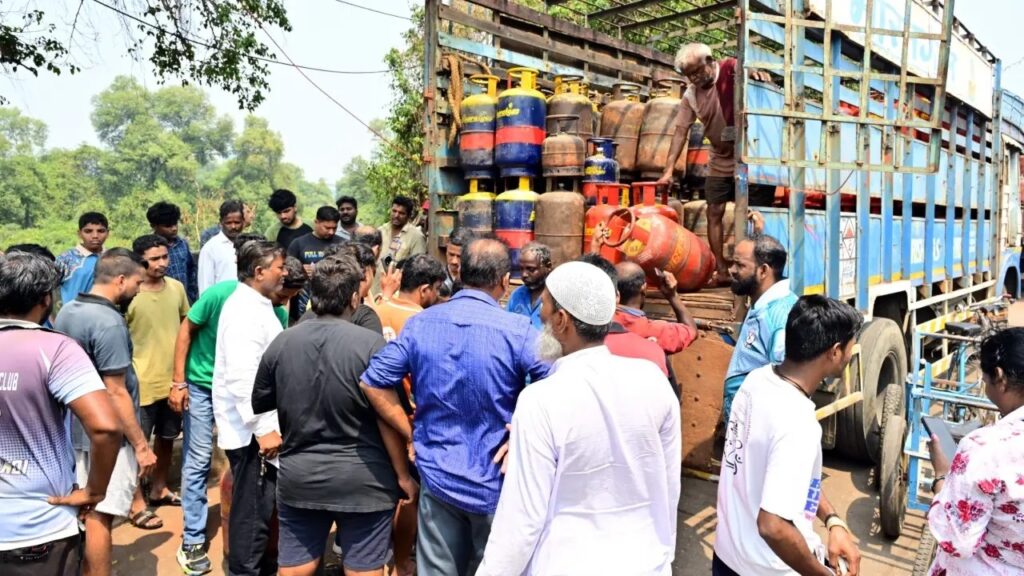
Raghunath Shetty, secretary of the Thane City Hotel Association, said that most food establishments currently have only five to six days of LPG stock left

The shortage has also triggered concerns about black
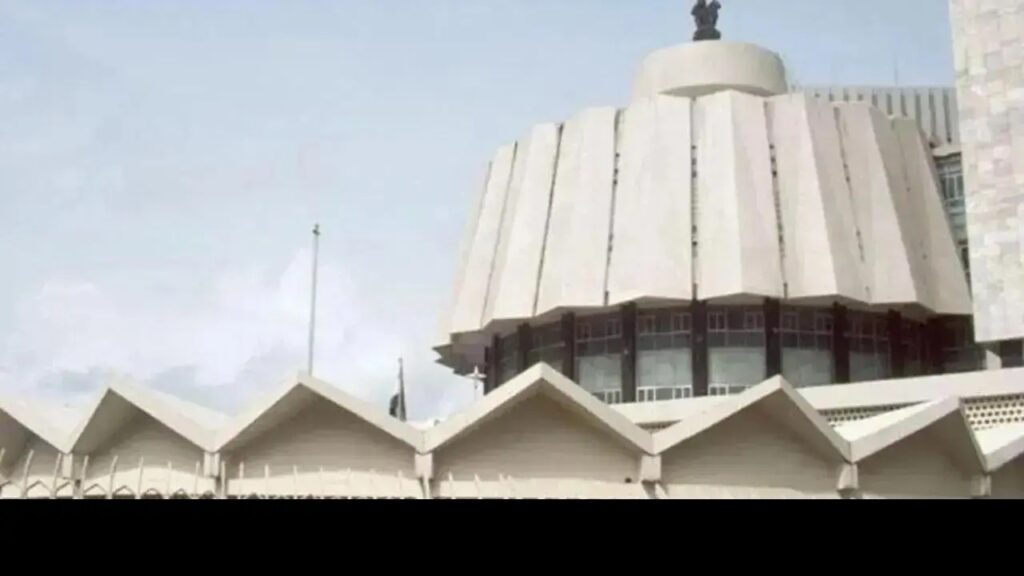
Maharashtra Budget 2026 session: Bomb threat at Vidhan Bhavan, Mumbai Police launch searches to official sources, the bomb threat message was received before the start of the day’s proceedings during the ongoing state budget session in Mumbai
Police declare 27 Mumbai Metro Aqua Line-3 station gates as ‘no parking zones’, issue official order As Mumbai Metro Aqua Line-3 (Metro 3) becomes fully operational from Cuffe Parade to Aarey Colony, the police have declared permanent 24-hour no-parking zones within 30 metres of all entry/exit gates to prevent congestion, obstructions, and inconvenience to commuters
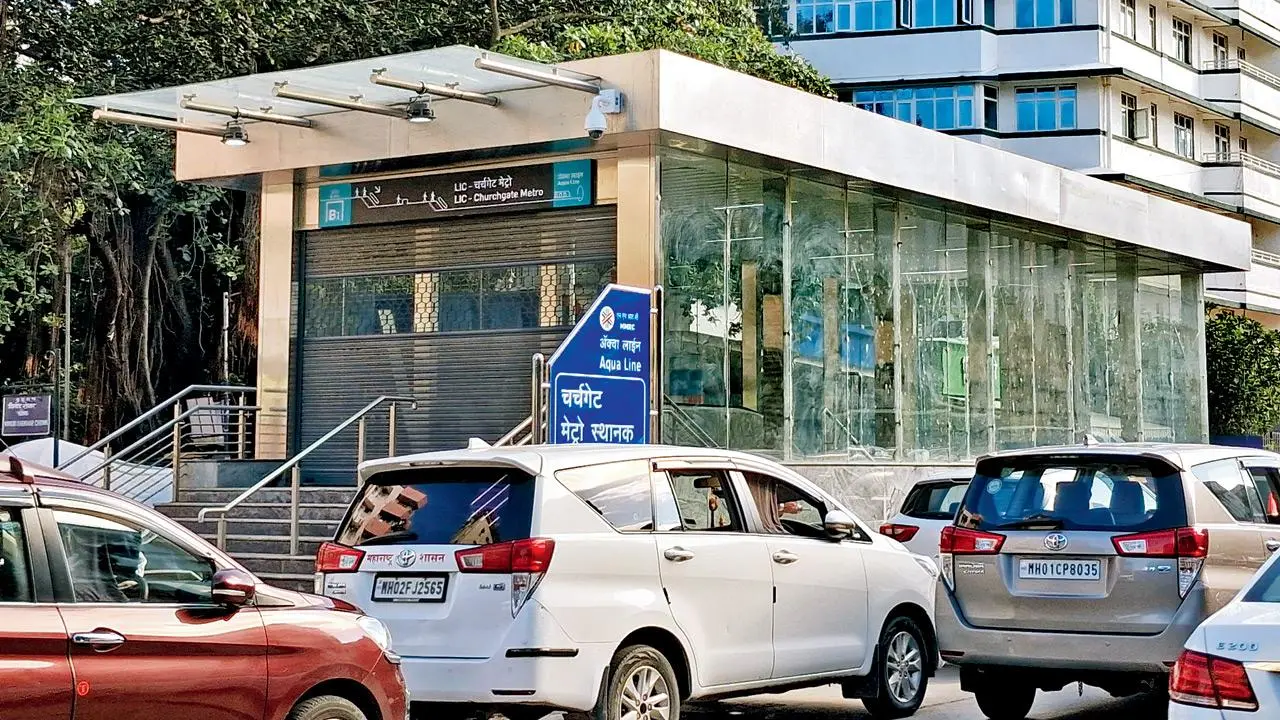
Churchgate Metro station, part of the Aqua Line-3 corridor. Mumbai Metro Aqua Line 3 handy entry and exit guide newly opened Mumbai Metro Line 3, or Aqua Line, features 128 entry and exit gates across stations from Aarey to Cuffe Parade. With multiple access points at major hubs like BKC, Dadar, and CSMT, the line promises smoother travel, better accessibility, and reduced crowding

Entry/exit at CSMT metro station
The newly opened Aqua Line of Mumbai Metro 3 has rolled out with a massive 128 entry and exit gates across its stations, making it the city’s most accessible rapid transit line yet. Mid-Day brings you a guide of which entry/exit opens where. Mumbai Metro Aqua Line 3 records 1.82 lakh ridership on October 15 According to data shared by the Mumbai Metro Rail Corporation (MMRC), the Aqua Line’s average weekday ridership has seen consistent growth since its initial operations began earlier this year

On October 13, the metro line recorded a total ridership of 1,64,877 commuters, reflecting growing public confidence and dependence on the newly launched route, according to MMRC. According to data shared by the Mumbai Metro Rail Corporation (MMRC), the Aqua Line’s average weekday ridership has seen consistent growth since its initial operations began earlier this year. The increasing commuter turnout indicates that the underground metro corridor is gradually becoming one of the city’s preferred modes of transport, especially for office-goers and daily travellers seeking to avoid Mumbai’s surface traffic congestion. MMRC rolls out WhatsApp ticketing for Mumbai Metro Line-3 in a push for digital convenience the integration, supported by Meta, enables commuters to generate up to six QR tickets in one go. It also supports a variety of payment methods. UPI payments will remain free of extra charges, while minimal fees will apply for card transactions

This move eliminates the need for paper tickets, promoting environmentally friendly travel across the city.
