
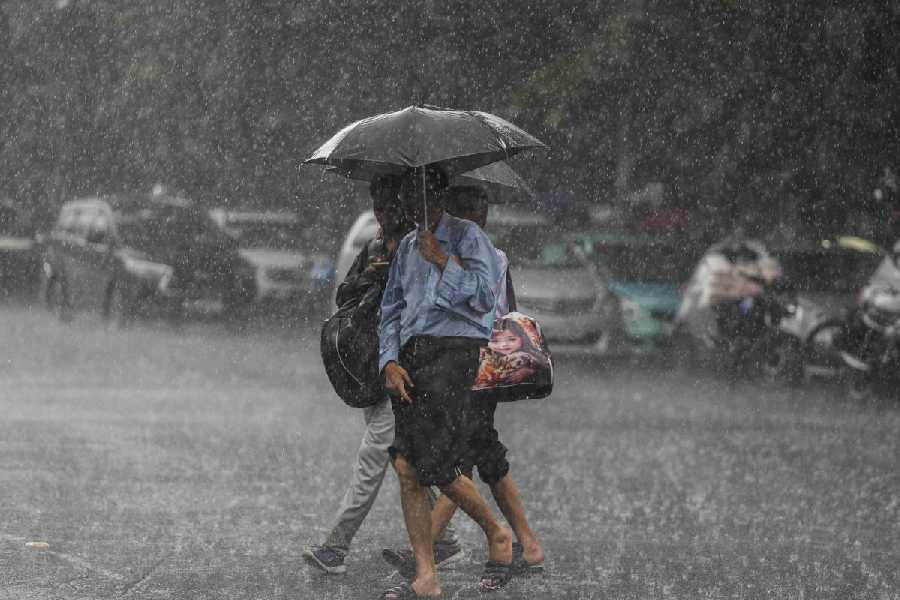
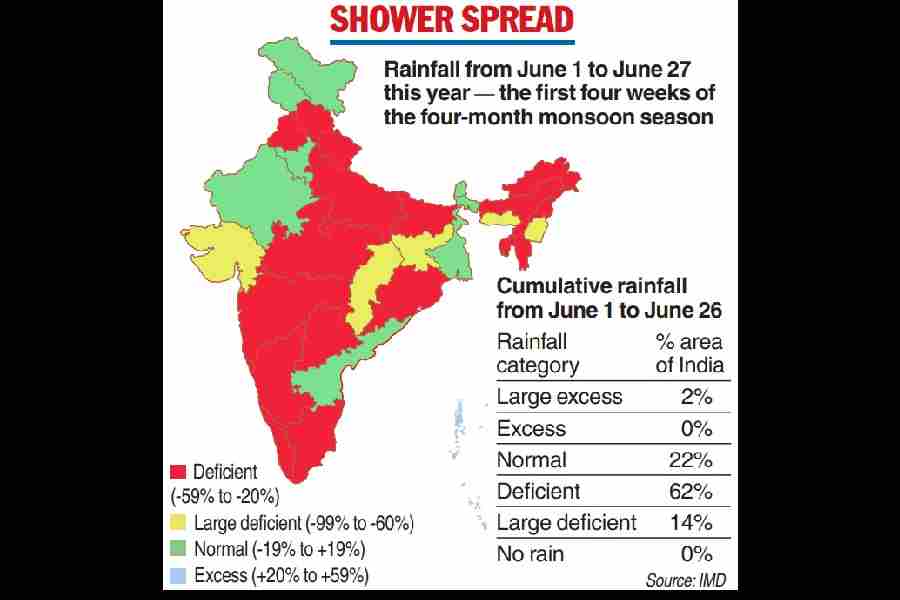
Rainfall across India in June has been 42 per cent below normal, the weakest start to the summer monsoon in more than a decade and a half, leaving 76 per cent of the country “deficient” or “large deficient” in rainfall. Forecasters expect July, too, to be drier than usual.
The country’s 166 major reservoirs, monitored for irrigation and drinking water, held 26 per cent of their combined storage capacity on June 25. The water levels were down to 14 per cent at Indira Sagar, 5 per cent at Nagarjuna Sagar and 2 per cent at Tehri. Weather scientists expect the rising sea surface temperatures in the Pacific — a phenomenon called El Nino — to keep the monsoon rainfall below normal through much of July, even after a possible revival during the month.
The weak Indian monsoon comes as Europe endures its most severe heat wave on record, with temperatures across parts of France, Germany, Italy, Spain and southern England running 5 to 12 degrees Celsius above seasonal averages. The World Weather Attribution, a multi-country research group, said on Friday that the heat wave, driven by a persistent high-pressure system drawing hot air from North Africa, had been intensified by human-caused climate change.
Scientists say that while El Nino has only a limited influence on Europe’s summer weather, it is expected to be the dominant driver of India’s monsoon this year.
Some economists argue that El Nino does not always translate into macroeconomic impacts because other climate patterns, including conditions in the Indian Ocean, can partly offset its effects.
But monsoon specialists say the current season increasingly resembles 2009, when June rainfall was 47 per cent below normal and India suffered one of its worst droughts in decades. Over the full 2009 monsoon season, rainfall was 22 per cent below normal.
“Weak June rainfall in an El Nino year is not a good sign,” Madhavan Rajeevan, a senior atmospheric physicist and former Union earth sciences secretary, told The Telegraph. “El Nino is the dominant influence on India’s monsoon, so any revival in July is likely to be limited.”
India’s four-month summer monsoon delivers three-quarters of the country’s annual rainfall, replenishing reservoirs and groundwater and sustaining the farm economy. Nearly half of India’s farmland depends on rainfall, making the rains critical for crop yields, food prices and rural incomes.
Scientists say the absence of any low-pressure systems over the Bay of Bengal through June this year, while not entirely unexpected, is an ominous sign.
Low-pressure systems serve as triggers for bursts of widespread rainfall across central and northern India.
A 110-year analysis of low-pressure systems in the Bay of Bengal, from 1891 to 2000, had found that the total number of such systems ranged from 9 to 18 through the four-month monsoon season.
“In June, we would expect at least one to have formed by now, but there is no sign of one yet,” Rajeevan said.
Weather scientists say that while the El Nino effect will dominate this year, a short-term rainfall revival could occur under the so-called Madden Julian Oscillation, a slow-moving band of tropical storm activity that circles the tropics every 30 to 60 days and can temporarily strengthen India’s monsoon when conditions are favourable.
The Union agriculture ministry, while acknowledging the risks posed by a weak monsoon, said earlier this week that buffer stocks of rice and wheat “remain comfortable” and that there was no immediate threat to food security.
The Indian Council of Agricultural Research and the agriculture ministry have identified 315 districts as vulnerable to deficient rainfall and inadequate irrigation, including 111 high-priority districts with irrigation coverage levels below 25 per cent.
Most of these are spread across Andhra Pradesh, Bihar, Gujarat, Jharkhand, Karnataka, Madhya Pradesh, Maharashtra, Odisha, Rajasthan, Telangana and Uttar Pradesh — among 27 states that have received deficient or large-deficient rainfall this month.
The ministry has urged state governments to promote short-duration and less water-intensive crop varieties, encourage crop diversification and mixed farming, and prioritise drinking water supplies in vulnerable districts. It has also reported reservoir deficits of 20 to 60 per cent in several river basins.
The Central Water Commission said the country’s 166 major reservoirs held about 48 billion cubic metres of live storage on June 25, or 26 per cent of their combined capacity at full reservoir level.
But crop weather specialists say it is too early to make any predictions about the country’s overall agricultural output.
“Rainfall activity during July and August is crucial for sowing — far more important than June rainfall,” M.H. Manjunatha, an agronomist at the University of Agricultural Sciences, Bangalore, told this newspaper.
“Farmers have the option of (turning to) short-duration varieties of various crops. We’ll be in a better position to predict the impacts of El Nino after July and August.” An intensifying “Super El Niño” pattern has severely disrupted India’s 2026 southwest monsoon, triggering a massive nationwide rainfall deficit of 43% as of late June 2026. Driven by abnormal sea surface warming in the equatorial Pacific, this weather phenomenon has stalled the monsoon advancement. This setup puts India on track for its weakest monsoon in over a decade. India braces for drought as El Nino looms and farmers in India are preparing for what meteorologists say could be the driest monsoon season in a decade.
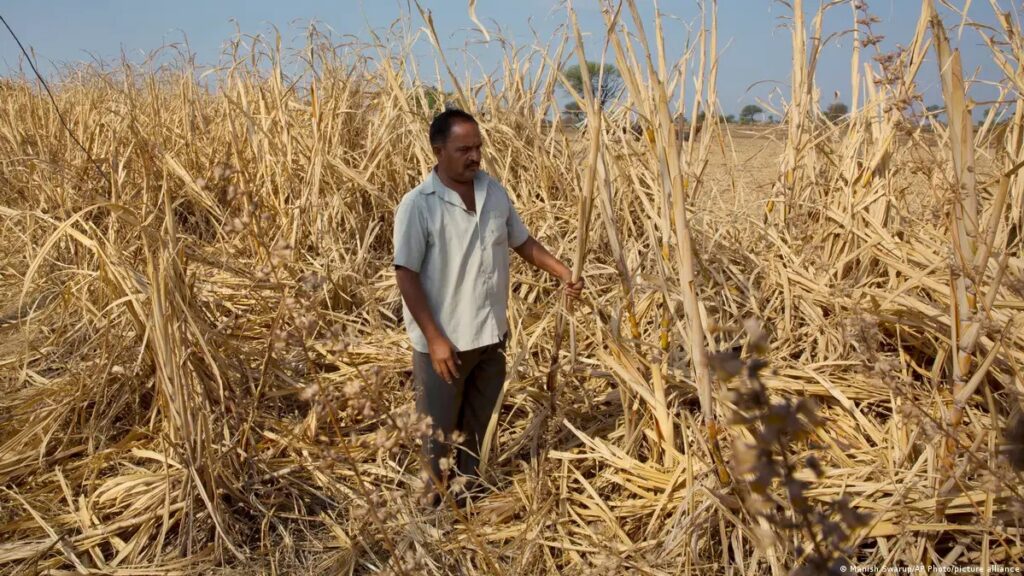
Gurpreet Singh, a paddy farmer in India’s northern Punjab state, is among millions of farmers anxiously watching the progress of India’s monsoon season, with this year’s El Nino raising concerns for agriculture, food prices and water security.
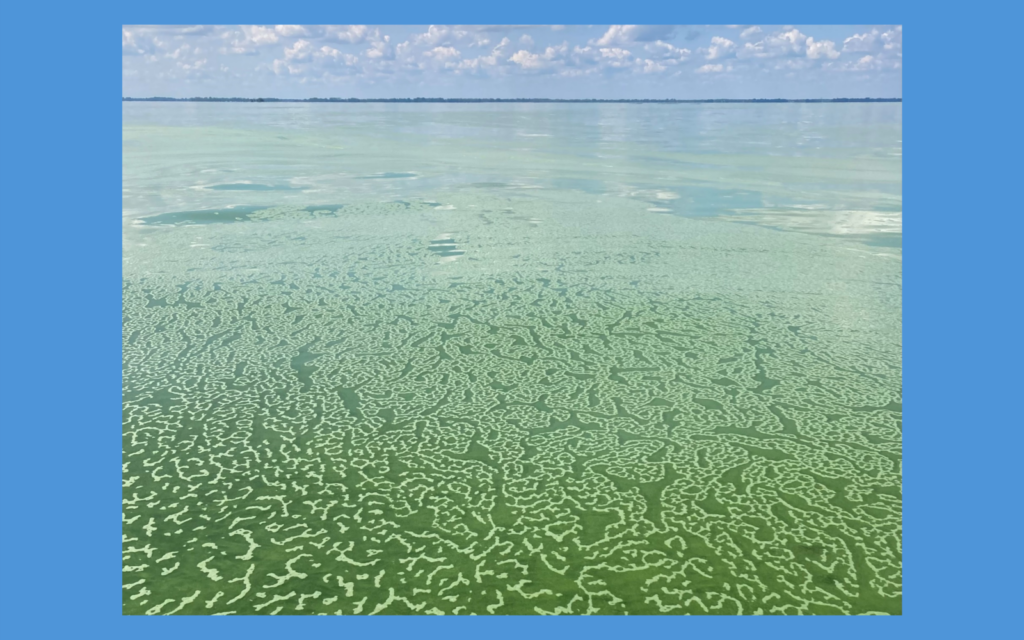
El Nino happens when sea surface temperatures in the tropical Pacific Ocean become unusually warm, altering rainfall patterns and weather systems across large parts of the world, including India. What’s been missing is longer range forecast information about the location and timing of the toxin risk. NOAA detects harmful toxin growing in Lake Erie earlier than past years ecologist Paul Glyshaw takes a water sample from Lake Erie as part of water testing to monitor for toxins in harmful algal blooms from April to October. NOAA has detected levels of the harmful toxin, microcystin, in Lake Erie weeks earlier than it is usually detected in routine water tests. At certain levels, microcystin toxins produced by certain types of freshwater blue-green algae can pose health risks to people and pets and may also require additional treatment from public drinking water systems.
Reagan Errera, a research ecologist at GLERL in Ann Arbor, Michigan, said water tests taken on April 28 in western Lake Erie showed levels of 0.12 parts per billion of microcystin. This is not a level high enough to trigger treatment measures at nearby drinking water facilities or warnings against swimming or taking pets into an area of the lake, but could pose a problem later in the summer when concentrations are anticipated to rise to above advisory levels for drinking water (1.6 ppb) and recreation (8 ppb). Every summer since 2008, toxin levels have exceeded advisory levels for drinking water and often for recreation in some areas.
“Over the last seven years we have seen the toxic period of the harmful algal bloom starting 10 days earlier than occurred in the period before this,” said Errera. “Early detection of toxins provides drinking water facilities, water managers, and the public more time to make informed decisions regarding the health risk associated with harmful algal bloom events.”
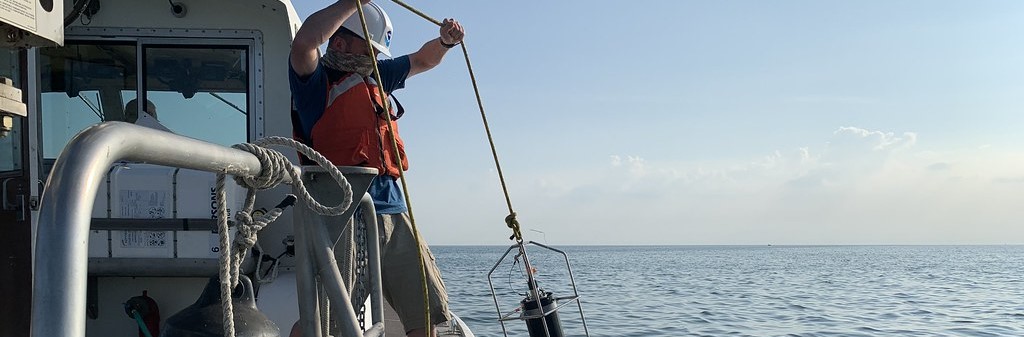
Each year, NOAA begins monthly sampling of Lake Erie in late April and increases the sampling frequency to weekly in June, testing water at eight locations that have historically seen harmful algal blooms. GLERL also tests five sites every two weeks in Saginaw Bay in Lake Huron for harmful algal blooms.
This sampling, which is done by boat, involves testing for 19 water quality parameters including cyanobacteria toxins. Serving key constituents such as drinking water supply managers, recreational boaters and the general public. This regular sampling will continue through the 2025 season from April 28 through October to ensure public health and safety.
Harmful algal blooms, which are any algal bloom that is detrimental to the ecosystem or human health, have been detected on every continent except Antarctica, all U.S. coasts including the Atlantic, Pacific, Arctic and Gulf of America, and the five Great Lakes, as well as numerous smaller lake and river systems. These blooms can cause fish kills and can hinder the growth and health of important lake species. Microcystins are the major harmful algal bloom toxin in the Great Lakes that can threaten human health.
New forecast woud predict toxin five days in advance
The new experimental toxin risk forecast would extend the Lake Erie HAB Forecast, incorporating the weekly monitoring data into a statistical model that allows for predictions of the levels and locations of microcystin toxins five days out. This will allow communities to know ahead of time when the risk may exceed what is advisable for public health. In addition to the forecast, the method provides a best estimate of current conditions. Toxic harmful algal blooms produce public health hazards in freshwater systems around the world. There is a need for forecast systems that can mitigate risk of public exposure to toxins. We improved an approach to predict the spatially and temporally resolved probability of microcystins (MCs) exceeding a threshold level (6 μg L−1) in western Lake Erie. This approach combines a 5-day chlorophyll-a forecast model, a weekly updated regression model predicting MCs from chlorophyll-a, and an empirical relationship between predicted MCs and observed probability of MCs exceeding the threshold calibrated over a hindcast period. We included additional years in the database for calibration and assessment, applied an empirical bias adjustment to the Moderate Resolution Imaging Spectroradiometer for consistency with Sentinel-3 satellite imagery, and applied a robust Siegel regression method. Cross-validation showed reasonable skill over regions including surface water, public water system plant intake sites, and bottom waters. The forecast also presented useful skill when assessed against two intensive sampling events of Microcystis blooms in western Lake Erie in 2018 and 2019. Our results provide a comprehensive assessment of a novel method to forecast MC risk, which may be recalibrated and applied to other systems affected by toxic cyanobacterial blooms, where a similar relationship exists between chlorophyll and toxin concentrations at toxin levels relevant to advisory levels. Also, knowing there is low risk in an area expands opportunities for recreational boaters, anglers and others who use the lake for many activities.”
The toxin risk forecast combines information from NOAA NCCOS’ satellite remote sensing products, data from NOAA GLERL’s weekly water quality monitoring program in western Lake Erie, and a numerical model that predicts wind-driven currents in Lake Erie. The researchers assessed the quality of the experimental forecast retrospectively using a database of thousands of measurements of microcystins in Lake Erie covering a ten-year period. Justin Chaffin, senior researcher for The Ohio State’s University’s Stone Laboratory, part of the College of the Food, Agricultural, and Environmental Sciences, helped the team curate data for the forecast model, including toxin observations from Stone Lab’s charter boat captain sampling program. In addition, researchers used long-term observations of toxin concentrations from GLERL and CIGLR, Ohio Environmental Protection Agency, University of Toledo, and the U.S. Geological Survey.
“The information contained in this research paper will be invaluable for the future forecasting of microcystins,” said Captain Peg VanVleet, Vice President of the Lake Erie Charter Boat Association.”Charter boat captains were pleased to assist in this study by helping take water samples.”
Before the new toxin forecast is transitioned from research to operations, NOAA will evaluate the experimental forecast and seek feedback from constituents.

“We can manage a short dry spell,” Singh told DW.
“The real worry is if the rains remain below normal through the season,” he added.
India plans for a weaker monsoon
Nutrient runoff reduction initiatives are common around Lake Erie these days, but in many cases, projects are implemented without plans for evaluation and ongoing improvement. This can put companies and research institutions at a disadvantage, as new technologies are brought to market without plans for long-term longevity. A design contest resulted in five technology prototypes that tackle harmful algal bloom detection, online collection and data analysis. The projects continue to be supported as they move towards commercialization, and formed the basis for a larger grant submission that would deploy them for use in Lake Erie. Development of Persistent, High-Resolution Remote Sensing of Cyanobacterial Distributions Current remote sensors that detect harmful algal blooms at high resolution tend to visit the Great Lakes intermittently, every few days or once a week. Constant monitoring at the same high resolution would be useful to harmful algal bloom researchers and water quality managers alike. Researchers are developing a lightweight, high-resolution sensor that can monitor harmful algal blooms from a tethered balloon, collecting data consistently for about a week to supplement airplane or satellite flyovers. This would provide researchers and water quality managers with more data at a relatively low cost, expanding their ability to address Lake Erie’s harmful algal bloom problem. Effects of pH and natural organic matter on degradation kinetics of extracellular cyanotoxins by ultrasound assisted advanced oxidation technologies Cyanobacteria are found in most bodies of water, but their excessive growth forms harmful algal blooms under favorable conditions like excess nutrients, strong sunlight, and high temperatures. These blooms can also produce toxic compounds, threatening the health of humans and wildlife that come in contact with or drink affected water. New methods for degrading toxins are being developed to keep drinking water safe, but it’s largely unknown how organic matter life leaf debris in the water affects these methods. Water treatment plants use a range of treatment methods to keep drinking water safe from the toxins produced by harmful algal blooms. Research suggests that these methods have to be adjusted to account for the presence of organic matter like leaf debris in the water, which slows treatment effectiveness significantly.
It has identified 111 districts with irrigation coverage of 25% or less as high-priority areas requiring intervention should monsoon conditions deteriorate.
Tamil Nadu farmers learn to thrive despite water scarcity
“We are facing potential conditions for a weak monsoon, an impact that is already becoming visible, as the monsoon is currently significantly delayed,” said Agriculture Minister Shivraj Singh Chouhan at a recent meeting.
“Overall, rainfall has been 43% below normal so far. Weather forecasts indicate that conditions are likely to remain weak” during July, he added.
The Agriculture Ministry has also set up an El Nino Monitoring Cell and a Crop Weather Watch Group, while states have been asked to establish control centers and coordinate closely with the federal government as officials track rainfall, crop conditions and sowing progress.
‘Super El Nino’ could deepen water shortages
The implications of a dry summer extend well beyond crop production. Nearly half of India’s farmland remains dependent on rainfall, making the monsoon crucial for agricultural output, rural incomes and food prices.
The June-September rains also replenish reservoirs and groundwater supplies that millions depend on for drinking water.
Weak rainfall and rising temperatures also harm livestock, fisheries and forests, threatening livelihoods across rural India.
Some 260 million people in India work in farming, accounting for over 45% of the country’s workforce, according to government figures. Ohio Sea Grant works to protect the environment of Lake Erie and the Great Lakes.
Ohio Sea Grant and Stone Laboratory staff, as part of The Ohio State University College of Food, Agricultural, and Environmental Sciences, combine research, education, and outreach, in collaboration with Great Lakes communities, to make and inform decisions regarding Lake Erie and the region’s most important environmental and economic issues with impartiality.
We are committed to fostering experiences which value people and local knowledge to reach new audiences, increase participation, and broaden our impact so all members of our community reach their full potential. Ohio Sea Grant research focuses on critical issues facing Lake Erie, from harmful algal blooms and invasive species to climate change and economic development. Collaborations with a wide range of partners ensure that research is relevant and applicable to current problems and concerns, and a summer research program for undergraduate science majors ensures that the next generation of Lake Erie scientists is well prepared for anything the future may throw at them.
Joint projects with state and federal partners address critical Great Lakes issues.
Find grants for Lake Erie research that match your professional expertise!
College students can live the life of a professional researcher for a summer!
Research webinars bring Ohio Sea Grant science to the public.
Research
Ohio Sea Grant funds a broad range of research projects in a variety of topic areas critical to Lake Erie and the Great Lakes
Research at Ohio Sea Grant
Ohio Sea Grant funds a wide range of research projects. The program identifies and prioritizes research topics with input from state and federal agencies, scientists, Extension specialists and their advisory committees. Current priorities – our critical issues – fall under nutrient loading and phosphorus, sedimentation and dredging, harmful algal blooms, aquatic invasive species, and sustainable coastal development. This is an ever-changing and adaptive list, but represents much of our research focus. For more than 40 years, Ohio Sea Grant has worked to help restore and rejuvenate Lake Erie and the Great Lakes. With a unique combination of research, education, and outreach efforts, as well as partnerships with academia, governmental agencies, and the private sector, Ohio Sea Grant works progressively with coastal groups and communities to solve Lake Erie’s most pressing environmental and economic issues.
Ohio Sea Grant and its education and research facility Stone Laboratory continue to provide the science behind informed policy and management decisions that advance science education, protect the Lake Erie ecosystem, and enhance Lake Erie’s economic impact.
Focus Areas
Ohio Sea Grant works hard to help Great Lakes residents and managers understand aquatic ecosystems, fish community health and potential issues. The program is also a frequent partner with agencies, academia, and private-sector interests to enhance fishing and understanding of Great Lakes fish populations and ecology. If wild stocks grow scarcer and are more intensively managed, aquaculture might play an ever-increasing role in the Great Lakes food supply and the region’s economy. Regional economies depend on the resources of the Great Lakes, and Ohio Sea Grant programs facilitate an understanding of this dependence. Our extension agents and researchers work to connect users to recreational activities in the Great Lakes – boating, fishing, natural and historic sites, etc. – and assist the associated businesses. Beyond the medicine cabinet: Public perceptions of the risks of pharmaceuticals and personal care products to aquatic systems and related disposal behaviors pharmaceuticals and personal care products (PPCPs) in source and finished waters for public supply in Northeast Ohio Valuing Lake Erie Beaches and the impact of Impairments on Beach Users Making the Future Bright: Solar Technology Curriculum Workshop for Educators Solar thermal and photovoltaic systems currently supply hot water and energy for Ohio Sea Grant’s (OSG) research facility, Stone Laboratory. Encouraging renewable energy use is critical, yet there is a void of locally relevant, inquiry-based lessons accessible to Ohio educators. With its solar energy infrastructure and support from the Center for Great Lakes Literacy and OSU Cares grant, OSG filled a void and advanced renewable energy education across Ohio. To fill a void in solar energy education, Ohio Sea Grant developed the Solar Energy Curriculum Consortium that created four hands-on solar technology lessons to be used by 80 trained educators potentially reaching more than 5400 learners. The results from this research provide evidence and information that will help the festival organizers and the local community governments to plan future events with a vision for improvement and sustainability for long-term development of the local economy. Linking Agricultural Production and Great Lakes Ecosystem Services: Modeling and Valuing the Impacts of Harmful Algal Blooms in Lake Erie Since 1995 harmful algal blooms in Lake Erie, and in many inland Ohio water bodies, have become more severe affecting ecosystem and human health. 40% reductions for the discharge of phosphorus to Lake Erie have been identified by a bi-national committee to reduce algal blooms to safe levels. Now, management plans capable of meeting these reductions must be identified and applied to the watersheds that discharge into Lake Erie, most importantly, the Maumee River Watershed.
India’s driest monsoon in a decade?
Sunita Narain, director general of the Centre for Science and Environment in New Delhi, said this year’s strong El Nino is unfolding as climate change is already making India’s rainfall more volatile, with more rain falling in fewer days and extreme weather events becoming more frequent.
“A super El Nino this year will test how climate change is reshaping India’s rainfall economy,” Narain told DW.
India remains “far from monsoon-proof,” she added.
The India Meteorological Department is forecasting below-normal monsoon rainfall at 90% of the long-period average.
Ohio Sea Grant research has pioneered the field of engineered organisms for heavy metal remediation and vaccine delivery in aquaculture. Its programs have also developed new maps and charts, constructed artificial reefs to enhance wildlife habitat and recreation, and improved the safety and quality of underwater welds. Research partnerships tap into data gleaned from satellites that constantly collect data relevant to the Great Lakes, such as identifying the presence of algal blooms. Projects also include an extension component that educates stakeholders such as farmers and city planners about how they can keep the Lake Erie watershed healthy. Nutrient Biogeochemistry Consequences of Beneficial Re-use of Dredge Material (Sandusky Bay) Testing and Optimization of Microcystin Detoxifying Water Biofilters ImmunoFET Sensors for Detection of Microcystins in Human Biological Samples Optimizing the Use of Powdered Activated Carbon for Saxitoxin Removal GaN ImmunoFET Biosensors for Multiplexing Detection of Cyanotoxins in Water Software Defined Network/IoT (SDN) for phosphorous data collection, analytics, speed, low latency, security, and security
Rainfall so far has tracked below normal levels, adding to concerns about the season ahead.
“A very strong El Nino event is becoming increasingly likely and is expected to adversely affect the Indian summer monsoon,” Akshay Deoras, a senior research scientist at the UK’s National Centre for Atmospheric Science and the University of Reading, told DW. Reservoir levels, groundwater recharge and hydropower generation could also come under pressure if rainfall deficits persist through the season,” said Deoras.
El Nino and climate change
The India Meteorological Department (IMD) has formally adjusted its full-season seasonal forecast down to 90% of the Long Period Average (LPA), warning of an alarming 60% probability of an outright deficient monsoon.
Current Regional Deficits
The impact of the delayed and weak monsoon is highly visible across major agrarian states, particularly in rain-fed core farming zones:
- Central & Western India: Central India faces the steepest downfall with a 57% regional deficit. Specific state shortages include Gujarat (79%), Chhattisgarh (68%), Maharashtra (59%), and Madhya Pradesh (41%).
- East & Northeast India: Suffering a 44% regional deficit, led by acute shortages in Meghalaya (82%), Manipur (71%), Jharkhand (66%), and Bihar (50%).
- Northwest & South Peninsular India: While Northwest India remains the least affected (27% deficit), South Peninsular India averages a 30% deficit despite early monsoon coverage, heavily affecting Kerala, Karnataka, and Telangana.
Immediate Impacts and Government Actions
The severe early dry spell has prompted widespread emergency operations from central and state ministries:
- Kharif Sowing Delays: The lack of rain has heavily disrupted the planting calendar for crucial summer crops like paddy (rice), pulses, soybeans, and groundnuts.
- Parched Reservoirs: Major river basins report storage deficits ranging between 20% and 60%. National live storage capacity has plummeted to just 26% of total levels.
- Crisis Mitigation: The Union Agriculture Ministry has designated 315 districts as high-risk zones, singling out 111 highly vulnerable districts with less than 25% irrigation coverage for priority interventions. Farmers are being advised to switch to short-duration, drought-resistant crop variants.
- Economic Strain: Rising peak-power demands and threatened farm output have forced the Reserve Bank of India (RBI) and corporate analysts to flag direct risks to food inflation (potentially spiking past 8.5%) and rural consumption demand.
Offsetting Climate Dynamics
While global models like the moderate harmful algal bloom predicted for western Lake Erie
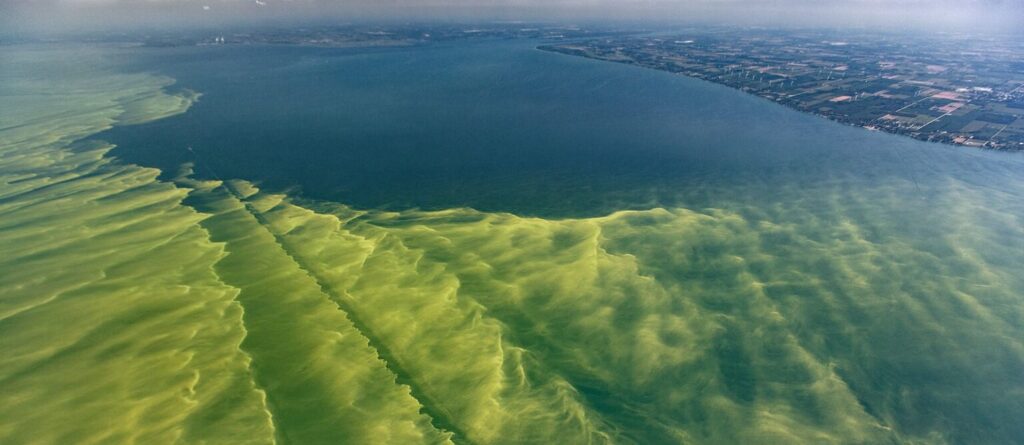
Visible blooms could impact coastal recreation by mid-June 25, 2026 its research partners are forecasting a moderate harmful algal bloom (HAB) in western Lake Erie this summer. This year’s bloom is expected to measure 3.5 on the HAB severity index, with a potential range of 3 to 4.5.
“Toxic algae affect not only the health of people and Great Lakes ecosystems, but they can negatively impact local and regional economies by preventing people from fishing, swimming, boating and visiting the shoreline,” said Nicole LeBoeuf, assistant administrator for NOAA’s National Ocean Service. “NOAA’s Lake Erie harmful algal bloom forecast is designed to provide timely, science-based information to water managers and public health officials as they make decisions to protect their communities and visitors.”
The HAB severity index is based on the bloom’s biomass (the amount of algae) during the peak 30 days of the bloom. Moderate blooms have an index of 3 to 5, while an index above 5 indicates more severe HABs. Blooms over 7 are particularly severe, with extensive scum formation and persistent bloom coverage affecting the lake.


warn that this El Niño could persist through early 2027, meteorologists are closely monitoring the Indian Ocean Dipole (IOD). A transition into a positive IOD phase later in the season could bring rain-bearing low-pressure systems over the Bay of Bengal, which remains India’s primary hope to partially neutralize the El Niño shockwave. NOAA expects to see a visible bloom by mid-July. The bloom’s timeline will depend on the frequency of high winds in September, which cannot be predicted this far in advance. Most of the bloom will remain in areas of the lake’s western basin. The central basin of the lake is usually unaffected until later in the season, although localized blooms may occur around some of the rivers after summer rainstorms.
Lake Erie HABs consisting of cyanobacteria (i.e. blue-green algae) are capable of producing microcystin, a known liver toxin that poses a risk to human and wildlife health. Such blooms can sometimes require cities and local governments to add more treatment to drinking water and close beaches.
The size of a HAB is not necessarily an indication of how toxic it is. Each algal bloom is unique in terms of size, toxicity and ultimately its impact on local communities. NOAA develops new method to forecast toxin risk from harmful algal blooms on Lake Erie Scientists successfully developed an experimental forecast that can better predict the timing and location of an elevated risk of toxins from harmful algal blooms (HABs) on Lake Erie, thanks to recent research from NOAA and a team of university collaborators.
Harmful algal blooms on Lake Erie produce toxins, called microcystins, that can pose health risks to people and pets and may also require additional treatment from public drinking water systems. Bloom toxicity can vary widely depending on different biological and environmental factors, and cell abundance does not always correlate to bloom toxicity. Lake Erie Harmful Algal Bloom Forecast
NOAA provides forecasts for seasonal blooms of cyanobacteria (blue-green algae) in Lake Erie, typically from July to October when warmer water creates favorable bloom conditions. Western Lake Erie has been plagued by an increase of HABs intensity over the past decade. These blooms consist of cyanobacteria or blue-green algae, which are capable of producing toxins that pose a risk to human and animal health, foul coastlines, and impact communities and businesses that depend on the lake. A combination of satellite image (for bloom location and extent), a forecasting and mixing model provide information on the current status of the bloom, forecasted position both at the surface and at depth, and toxicity from field samples.
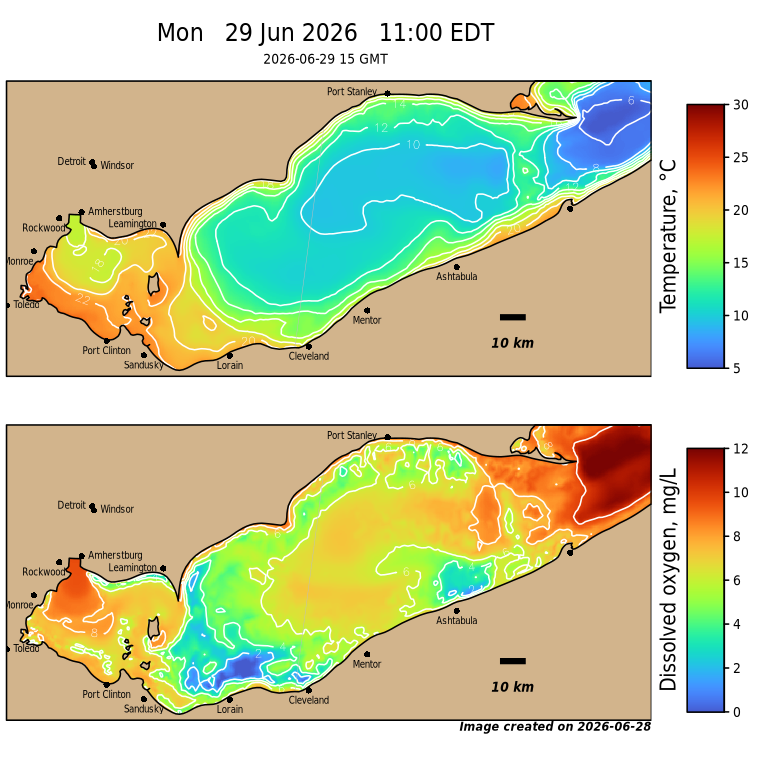
The central basin of Lake Erie provides drinking water to more than 2 million people along the Ohio coast. In the summer, the lake stratifies, with warm water on the top and cold, dense, deep water below. Oxygen in this deep water is used up, resulting in low oxygen, or hypoxia. This hypoxic environment is typically inhospitable to many animals. The low oxygen water also has different chemistry from oxygenated water, which is problematic for the public water supply. Strong wind events in the summer can cause upwelling, which brings this cold, hypoxic bottom water up to the surface close to shore. This can cause a sudden degradation to the water quality at nearshore drinking water intakes. These events require rapid adjustments to the treatment process in order to maintain drinking water quality. As the upwelling events largely occur with an irregular frequency, local decision makers need timely warnings of the conditions that may cause them. This forecast uses a model of hypoxia and circulation in Lake Erie to alert decision makers of when upwelling may bring hypoxic water to the shore.
Severely Deficient West & CentralOrange
Deficient East & Central
Advanced Science Insights
For those tracking the long-term interaction between warming cycles and South Asian agriculture:
- The “Break Day” Phenomenon: Global warming is elongating rainless “break days” during active monsoon months, which is why early monsoon onset no longer guarantees uniform seasonal distribution.
- Compounding Heat: Because the 2023-24 El Niño already raised baselines, this consecutive 2026 emergence increases risk of extreme heatwaves overlapping dry agricultural zones, drastically accelerating groundwater depletion.
