
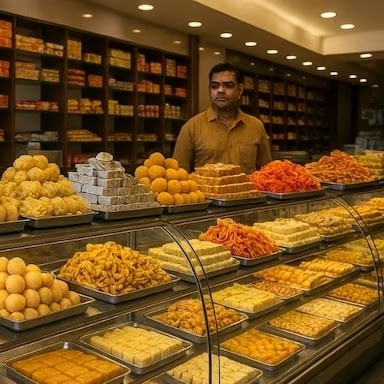
India’s love for mithai is deeply rooted in its culture, with sweets being an essential part of everyday life and celebrations. From festive occasions to simple cravings, traditional desserts continue to hold a special place in every household. Over time, several iconic halwai shops have built strong legacies, passing down recipes across generations. Many of these establishments are believed to be centuries old, carrying stories along with their flavours. But among all these historic names, one question often comes up. Which is truly the oldest sweet shop in India?
Which Is India’s Oldest Sweet Shop With Historical Claims
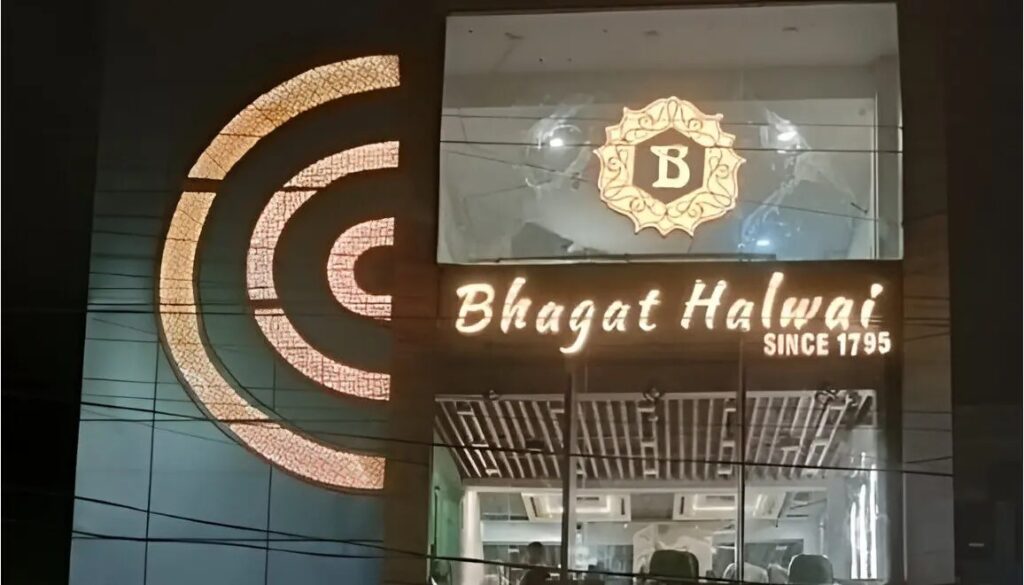
The answer is not entirely straightforward, as India does not have officially documented records confirming a single oldest sweet shop. However, Bhagat Halwai in Agra is widely believed to be one of the oldest, with its origins traced back to 1795. While historical documentation from that time remains limited, the shop’s long standing reputation and legacy references have helped support its claim.
Located in a city known for its rich culinary and cultural heritage, Bhagat Halwai has remained closely tied to traditional sweet making for generations. Its name continues to be associated with old style mithai preparation, making it a strong contender in discussions around India’s oldest sweet shop.
What Makes Bhagat Halwai In Agra So Famous
Bhagat Halwai is known for preserving traditional recipes that reflect the essence of classic North Indian sweets. The focus has always been on maintaining authentic flavours rather than adapting to changing trends. This consistency is one of the key reasons why it continues to attract customers even today. The shop is also deeply connected to Agra’s food culture, offering visitors a chance to experience more than just the city’s famous landmarks. Over the years, it has become a must-visit for those looking to taste mithai with a sense of history. Its legacy lies in its ability to hold on to age-old techniques while remaining relevant across generations.
What Are The Best Sweets To Try At Bhagat Halwai
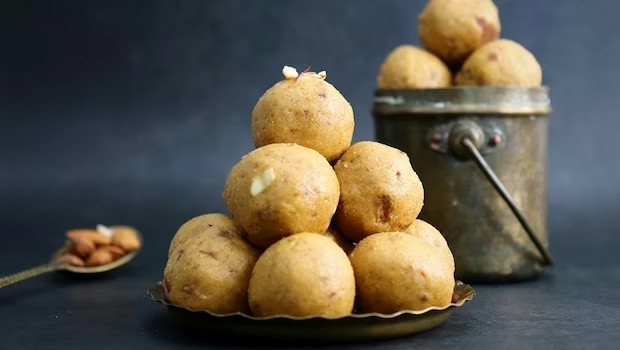
Bhagat Halwai is known for its range of classic North Indian mithai, made using traditional recipes. Some of the must-try items include peda, laddoo, barfi, and desi ghee sweets, all known for their rich taste and authentic preparation. The shop is especially popular for its fresh, flavourful offerings that reflect old-style sweet making techniques. Visitors often prefer trying a mix of sweets to get a complete experience of its legacy flavours.
When Is The Best Time To Visit Bhagat Halwai In Agra
You can visit Bhagat Halwai any time of the year, but the best experience is during festivals and peak tourist seasons when the shop is buzzing with activity and you can enjoy freshly prepared sweets. Early mornings are a good time to go if you want to avoid crowds and get the freshest batches. Since Agra attracts visitors throughout the year, the shop stays busy on most days, especially around popular sightseeing hours.
India’s love for mithai is deeply rooted in its culture, with sweets being an essential part of everyday life and celebrations. From festive occasions to simple cravings, traditional desserts continue to hold a special place in every household. Over time, several iconic halwai shops have built strong legacies, passing down recipes across generations. Many of these establishments are believed to be centuries old, carrying stories along with their flavours. But among all these historic names, one question often comes up. Which is truly the oldest sweet shop in India?
Which Is India’s Oldest Sweet Shop With Historical Claims
The answer is not entirely straightforward, as India does not have officially documented records confirming a single oldest sweet shop. However, Bhagat Halwai in Agra is widely believed to be one of the oldest, with its origins traced back to 1795. While historical documentation from that time remains limited, the shop’s long standing reputation and legacy references have helped support its claim.
Located in a city known for its rich culinary and cultural heritage, Bhagat Halwai has remained closely tied to traditional sweet making for generations. Its name continues to be associated with old style mithai preparation, making it a strong contender in discussions around India’s oldest sweet shop.
Top Historic Sweet Shops
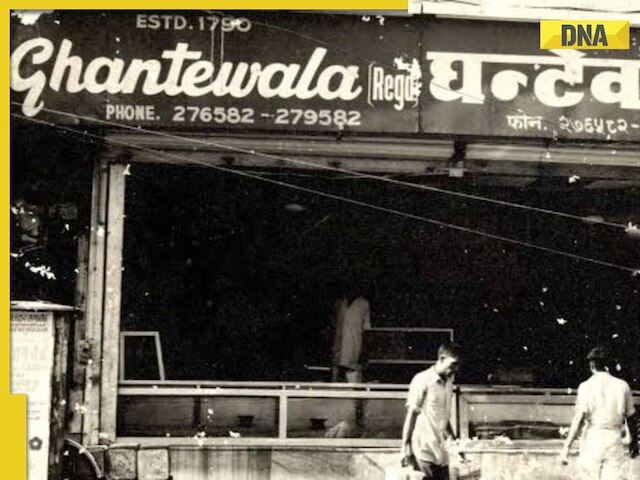
n the heart of Old Delhi’s Chandni Chowk lies Ghantewala, one of India’s oldest sweet shops. Established in 1790 CE by Lala Sukh Lal Jain, the shop has spanned centuries, witnessed history, and served everyone from Mughal emperors to modern political figures. At that time, the Mughal Emperor Shah Alam II ruled in Delhi. The shop is said to have come into prominence during his era. Ghantewala became known for its rich, desi-ghee sweets, especially its Sohan Halwa, which was reportedly a favourite of Mughal rulers. For 225 years, the shop remained open, preserving traditional recipes and serving as a symbol of heritage in Old Delhi. However, in July 2015, Ghantewala shut its doors, citing falling sales, legal troubles (including licensing issues) and changing consumer preferences.
The old customers mourned; many regarded it as a loss not just of a sweet shop but of a living connection to Delhi’s gastronomic and cultural legacy.
Then came a revival: in August 2024, Ghantewala reopened in its historic location. The revival seeks a balance of tradition and innovation; it’s bringing back signature sweets like Sohan Halwa and Karachi Halwa, while also introducing new items (healthier alternatives, diabetic-friendly, gluten-free options, etc.) to appeal to modern tastes.
More than two centuries later, Ghantewala stands again, not just as a shop, but as a monument to Delhi’s layered history: Mughal splendour, colonial times, freedom struggle, and modern India. Its sweets are, in a sense, one of the edible memories. Bhagat Halwai (Agra, est. 1795)
Founded by Lekh Raj Bhagat, this shop has operated for over 230 years and is managed by the 8th generation of the family. It is highly regarded for preserving authentic North Indian flavours, specifically its Doda Barfi and various Desi Ghee sweets. Iconic Sweet Shops Keep India’s Mithai Heritage Alive
India’s packaged sweets market is now valued at ₹7,268 crore, seeing a steep surge in demand during festive seasons such as Diwali and New Year. ([Daily Jagran][1]) But beyond numbers, it’s the enduring legacy of India’s oldest sweet shops that continues to captivate taste buds and hearts.
Bhagat Halwai in Agra, founded in 1795 by Lekh Raj Bhagat, is said to be the oldest halwai shop still in operation, famed for its Doda Barfi and assorted mithai priced between ₹352 to ₹800 per pack. Houses like Punjabi Ghasitaram Halwai (est. 1916), Parsi Dairy Farm (1916), KC Das, Kolkata (1866), Kanwarji Bhagirath Mal (1850), Punjabi Chandu Halwai (1896), Chaina Ram Sindhi Confectioners (1947 reestablished), and Basha Halwawala, Chennai (about 85 years old) also feature prominently in this heritage list. Each shop preserves regional flavors, handwritten traditions, and deeply cultural recipes.
These legacy sweet shops offer more than sweets; they are institutions of craftsmanship, preserving traditions of using pure ghee, hand-rolled or cooked recipes, local ingredients, and nostalgic packaging — all while adapting to modern sanitation, mild scaling, and expanding product variety. During festivals, the pull of heritage labels draws customers who seek both taste and connection to history.
Key Heritage Metrics at a Glance
India’s Oldest & Most Iconic Sweet Shops
| Sweet Shop / City | Founded | Signature Sweet(s) | Avg. Price Range (₹/kg) | Unique Heritage Note |
|---|---|---|---|---|
| Bhagat Halwai, Agra | 1795 | Doda Barfi, Petha | 352–800 | India’s oldest surviving halwai; 8th-gen family business. |
| KC Das, Kolkata | 1866 | Rossogolla, Mishti Doi | 400–850 | Inventor of the modern Rossogolla; legacy of Bengal sweets. |
| Kanwarji Bhagirath Mal, Delhi (Chandni Chowk) | 1850 | Soan Halwa, Dalbiji | 450–900 | Mughal-era recipes; maintains handmade production. |
| Punjabi Ghasitaram Halwai, Mumbai | 1916 | Kaju Katli, Dry Fruit Barfi | 450–950 | Among first to modernize packaging & exports. |
| Parsi Dairy Farm, Mumbai | 1916 | Mawa, Doodh Pak | 380–800 | Blends Parsi tradition with modern dairy standards. |
| Punjabi Chandu Halwai, Mumbai | 1896 | Mysore Pak, Laddoo | 450–880 | Known for its timeless recipes and pan-India reach. |
| Chaina Ram Sindhi Confectioners, Delhi | 1947 (re-est.) | Karachi Halwa, Sohan Halwa | 400–850 | Founded post-Partition; keeps Sindhi confectionery alive. |
| Basha Halwawala, Chennai | ~1940s | Halwa, Badam Burfi | 350–700 | South India’s oldest halwai, still family-run. |
Market Context:
- India’s packaged sweets market stands at ₹7,268 crore (2025 est.) and growing steadily at ~10% CAGR.
- Heritage halwais see 3–4x sales spikes during festive months, especially Diwali, Raksha Bandhan, and Eid.
- Many are now experimenting with export packaging, e-commerce channels, and FSSAI-compliant production units while retaining traditional techniques.
Key Takeaway:
India’s heritage mithai shops are more than businesses — they’re custodians of culinary identity. Their evolution from hand-rolled sweets to hygienic, branded packs reflects how tradition and trust still define value in the ₹7,000+ crore Indian sweets market.
Industry Insight:
- Heritage as a brand differentiator: In a crowded sweets market (₹7,268 crore & rising), heritage shops differentiate not by scale alone but by lineage, nostalgic quality, and regional pride. This gives them pricing power, especially during festive periods.
- Balancing tradition with modern demands: These institutions are under pressure to modernize — better hygiene, packaging, mild automation — without diluting flavour or authenticity. Many are cautiously using technology to scale portions (freshness preservation, cold storage), while retaining artisanal touch.
- Pricing & affordability dynamics: Heritage shops tend to position themselves in premium sweet categories, with packs priced well above mass products. Their strength lies in a willingness among clientele to pay for perceived superior quality, tradition, and authenticity.
- Festive season as growth engine: Sales spike significantly during festival seasons. The heritage label magnifies customer emotion, nostalgia, and willingness to spend, which gives these shops vital margin boosts and reinforces their market relevance.
- Potential for expansion & digital innovation: Many heritage brands are exploring e-commerce, regional expansion, gifting packs, and modern retail tie-ups. The challenge is maintaining trust, flavor, and authenticity when scaling.
- Cultural tourism & food identity: Heritage mithai shops are part of India’s cultural tourism identity — sweets, towns, and legacy shops draw food lovers and tourists alike. Their value is not just economic but cultural and emotional.
