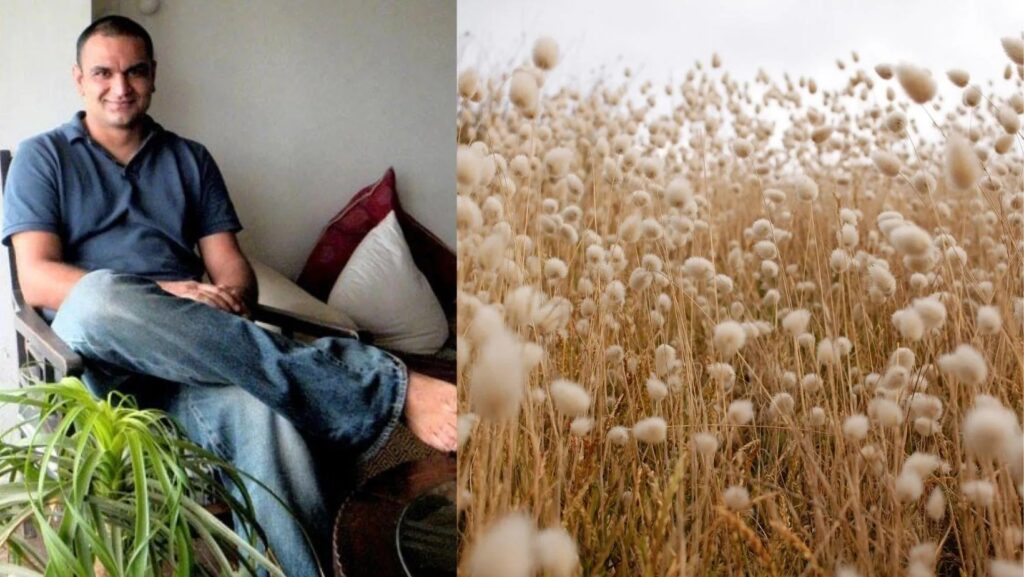
Before meteorology became a science, India had built its own weather intelligence system — through almanacs, cloud studies, animal behaviour and ecological observation. Across states like Gujarat, Odisha, Rajasthan and Andhra Pradesh, many of these centuries-old monsoon forecasting methods still guide farmers today.
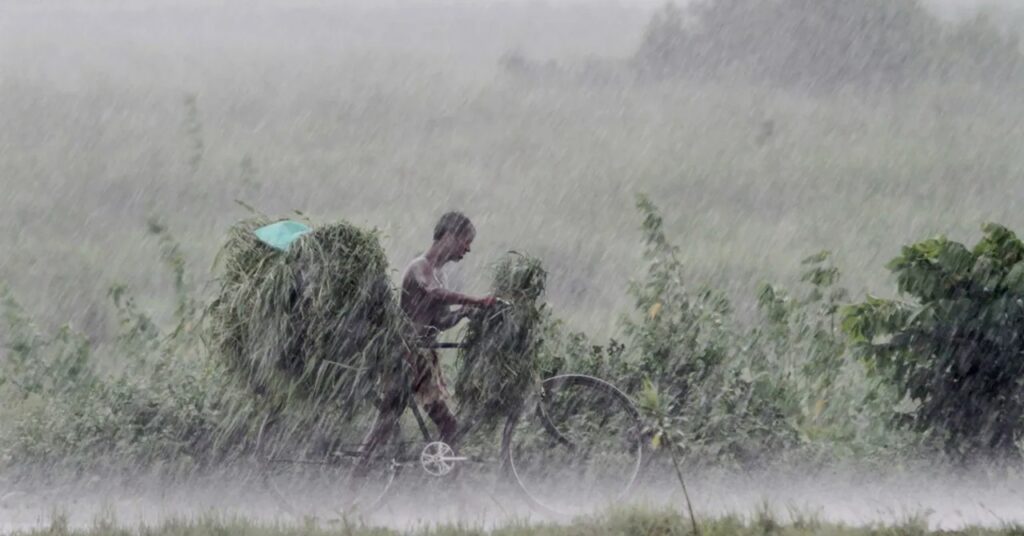
A weather model can predict rain over a district. But it cannot always tell a farmer in one village how moisture is building over his exact field. Local ecosystems can. In a village in Saurashtra, farmers notice ants climbing higher than usual, carrying eggs in long lines. In Telangana, frogs croak loudly through the night. In Rajasthan, peacocks spread their feathers and dance. In Kerala, kadamba flowers begin to bloom. Across India, these moments are not seen as random. They are read as signs of rain.
For centuries, communities across the country built their own systems for predicting the monsoon, long before satellites, Doppler radars, and weather models existed. These systems emerged from necessity because, in an agrarian society, the monsoon was never just about weather. Gujarat Startup’s IoT-Powered Hydroponics Is Helping Farmers Grow 5X More Using 90% Less Water
Gujarat-based Brio Hydroponics, founded by Pravin Patel, is helping farmers across India grow crops efficiently using climate-controlled, soil-less systems. By combining IoT, precision irrigation, and fertigation, the startup enables 5X higher yields with 90% less water, creating a predictable, profitable, and sustainable model for modern Indian agriculture.
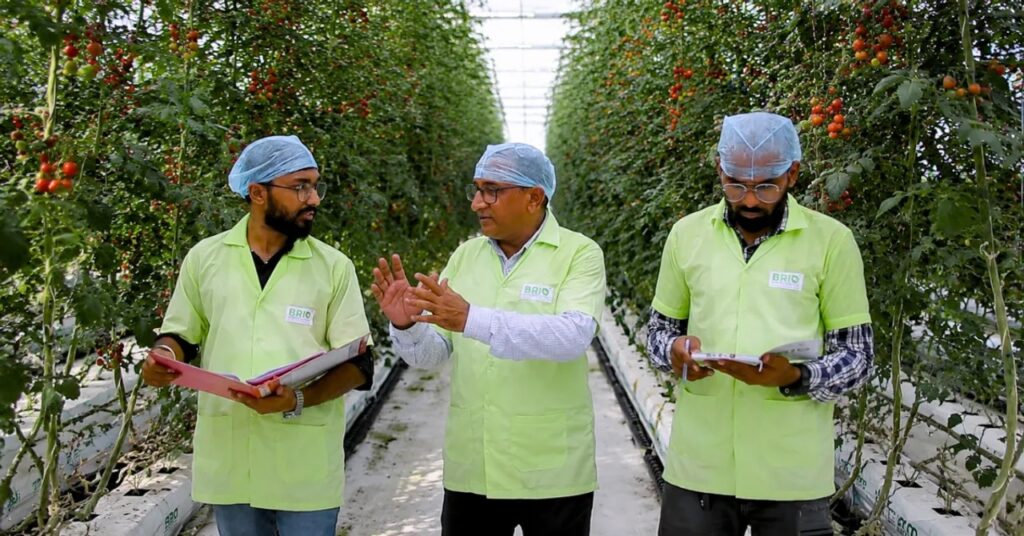
On a hydroponic farm in Gujarat, rows of cucumber vines stretch neatly under a climate-controlled structure. The fruits hang uniformly from the plants, protected from the uncertainties that have long defined Indian agriculture — erratic rainfall, rising temperatures, and dwindling water resources. For 37-year-old Yash Vora, this sight is more than a successful harvest. It is proof that farming can be planned.
“In Gujarat, water is always a major concern, so hydroponics felt like the right solution for the future,” he says.
“With my hydroponic farm, I can grow vine crops like tomatoes, mainly cucumbers, and red and yellow capsicums in a way that is efficient, consistent, and commercially viable. He explains that returns are higher because crop quality is high and losses are much lower. It has given me a model of farming that is more resilient, more modern, and more profitable for the long term.” At 74, This Wayanad Farmer Harvests 3 Tonnes of Litchis From Just 12 Trees In Bihar’s Muzaffarpur, the famed Shahi litchi orchards are struggling through their worst season in years. Hundreds of kilometres away in Wayanad, 74-year-old Kuruvila Joseph is growing litchis in a way that has researchers from across India paying attention.
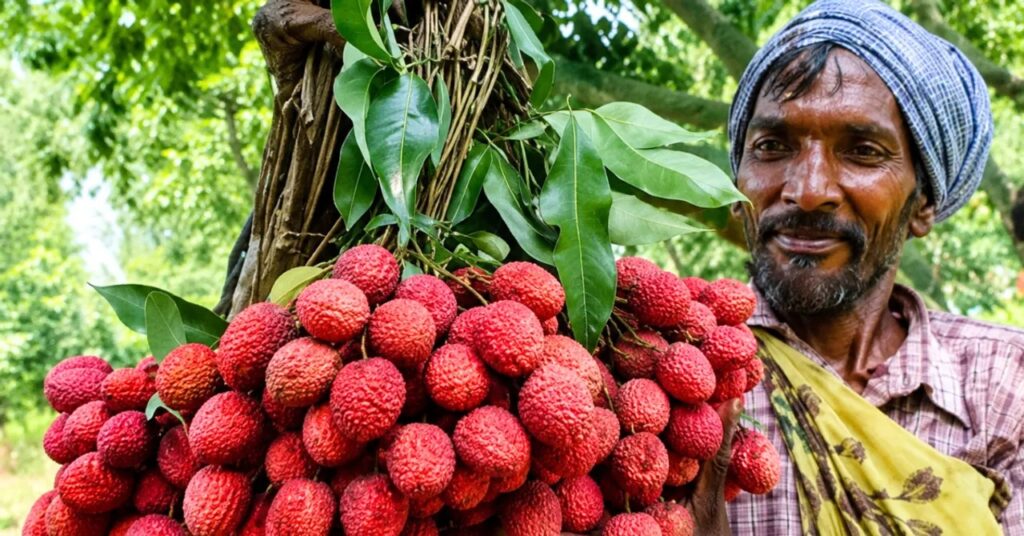
As extreme heat and erratic weather shrink litchi harvests across India, a 74-year-old farmer in Kerala is offering a glimpse of how the beloved fruit can survive a changing climate. There’s something magical about the arrival of litchis each summer.
Their rosy-red shells peek out from fruit carts, kitchen bowls overflow with freshly bought bunches, and families gather around to peel away the rough skin and reveal the juicy sweetness within. For many Indians, litchis are more than just a seasonal fruit — they are a taste of childhood holidays, lazy afternoons, and memories shared with loved ones. But this summer, India’s litchi growers are reporting lower yields. Extreme heat, unseasonal rain, and changing weather patterns have taken a toll on orchards.
/filters:format(webp)/english-betterindia/media/media_files/2026/06/05/litchi-farming-2026-06-05-10-51-27.png)
As delayed rains, droughts, and extreme weather affect agriculture across India, farmers are increasingly turning to traditional millets such as bajra, jowar and ragi. Requiring less water and fewer inputs, these climate-resilient grains are helping reduce risk while supporting food and nutrition security.
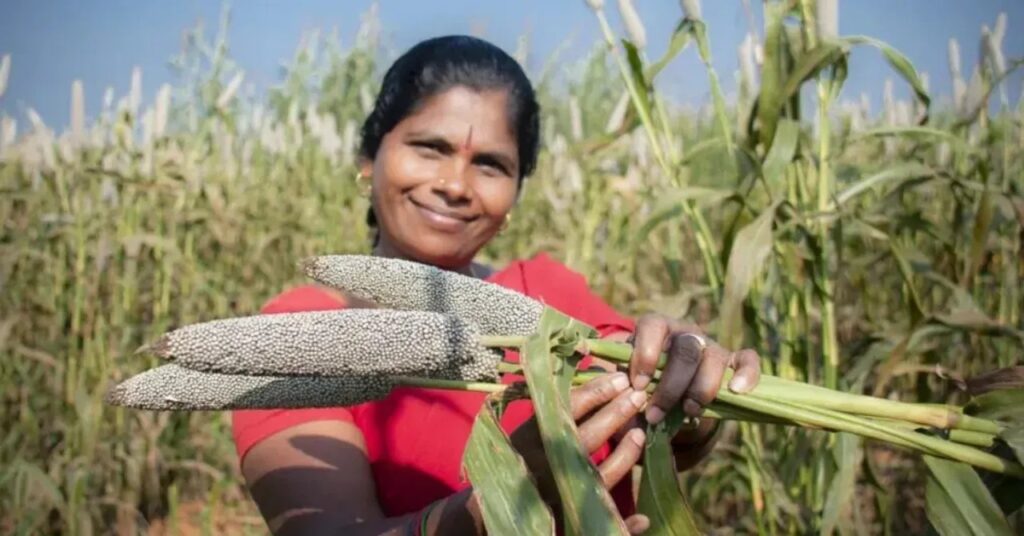
As weather extremes challenge traditional farming, millets are emerging as a reliable ally for India’s farmers. For generations, millets were a familiar sight on Indian plates. Bajra rotis paired with garlic chutney in Rajasthan, ragi mudde in Karnataka, and jowar bhakri in Maharashtra formed the backbone of everyday meals long before rice and wheat came to dominate kitchens.
Often called ‘coarse grains’, millets were once considered food for rural households and dryland farmers. But as climate change brings increasingly unpredictable monsoons, these ancient grains are making a quiet comeback — not just on dining tables, but in fields across India. From delayed rainfall and prolonged dry spells to sudden cloudbursts, erratic weather patterns are making farming riskier than ever. In response, many farmers are rediscovering what their ancestors knew all along: millets are among the most resilient crops nature has to offer.
A crop built for uncertainty
Unlike water-intensive crops such as rice and sugarcane, most millets require far less water to grow. Varieties such as bajra (pearl millet), jowar (sorghum), ragi (finger millet), foxtail millet and kodo millet can thrive in dry conditions and poor soils where other crops struggle.
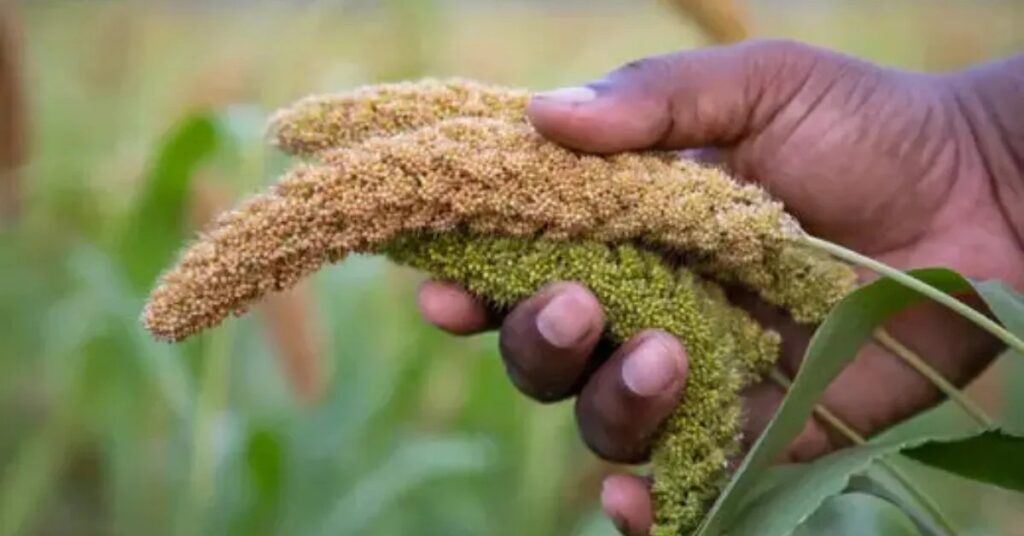
Once dismissed as ‘coarse grains’, millets are proving to be among the most climate-resilient crops of the future. They are also more tolerant of high temperatures and can withstand periods of moisture stress. Studies have consistently highlighted millets as drought-resistant and water-efficient crops, making them particularly suitable for rainfed agriculture.
This resilience is becoming increasingly valuable as monsoon patterns grow more unpredictable. Farmers who depend entirely on rainfall often face significant losses when rains arrive late or stop midway through the growing season. Across India, Farmers Are Reviving Ancestral Rice Seeds As They Battle Floods, Droughts & Saline Soil Jharkhand’s black rice fields to the cyclone-hit Sundarbans, farmers across India are reviving indigenous rice varieties valued for their nutrition, resilience, flavour, and deep connection to local food traditions.
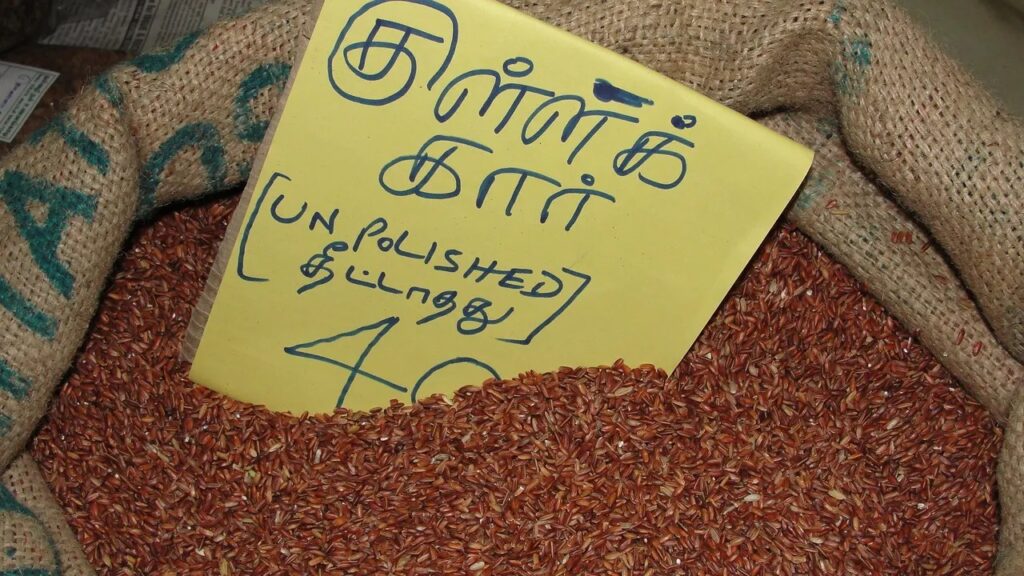
Kullakar rice for example, is an ancient rice variety, indigenous to Tamil Nadu. It is drought- and pest-resistant, though it is susceptible to waterlogging and requires soil with good drainage. In the villages of Jharkhand, farmers still run handfuls of rice through their fingers before deciding what to cook.
Some grains are black and glossy. Some carry the faint scent of earth after rain. Others turn red once boiled. Each has a story older than the farms themselves.
For years, many of these rice varieties disappeared from Indian kitchens. Hybrid seeds replaced them. Uniform white grains took over markets. How 2 Friends Are Celebrating Hundreds of Indigenous Ingredients in GoaWhen indigenous ingredients find their way into dishes, culinary magic follows. Meet the friends who are ensuring due diligence by the ingredients they work with. Long before modern weather apps and satellite data, Indian agricultural and tribal communities relied on an intricate, hyper-local “weather intelligence system” built on animal behaviour, plant cycles, and ecological observations. While a modern weather app forecasts conditions across an entire city, these ancient practices read real-time shifts in atmospheric pressure and humidity to predict exactly how moisture is building over a single valley or field. Predicting rain was essential. A delayed monsoon could disrupt sowing, while excessive rainfall could destroy entire fields.
Over generations, communities began tracking changes in wind patterns, cloud formations, animal behaviour, flowering cycles, and humidity levels.
This knowledge was built through observation and memory, passed down from one generation to the next. Over time, it became a living archive of local weather patterns, deeply connected to the land.
Unlike modern forecasts that cover large regions, these systems were intensely local. Farmers did not need to know whether it would rain across an entire district. They needed to know what might happen in their own fields.
Animals as weather forecasters
Across India, animals remain some of the oldest indicators of changing weather.
Ants carrying eggs to higher ground are widely seen as a sign of heavy rainfall. Scientists believe this behaviour may be linked to ants sensing rising soil moisture and falling air pressure, prompting them to move their colonies away from areas at risk of flooding.
In parts of Odisha and Madhya Pradesh, farmers watch where lapwings build their nests. Nests on higher ground are often associated with heavier rains. For 15 Years, This Punjab Man Has Carried Water Into Forests to Help Wild Animals Survive the Heat Every summer, as water sources disappear across Punjab’s Shivalik forests, Harpal Singh Pali drives deep into the hills with his personal tanker to refill water holes for wildlife — a mission he has sustained alone for 15 years.
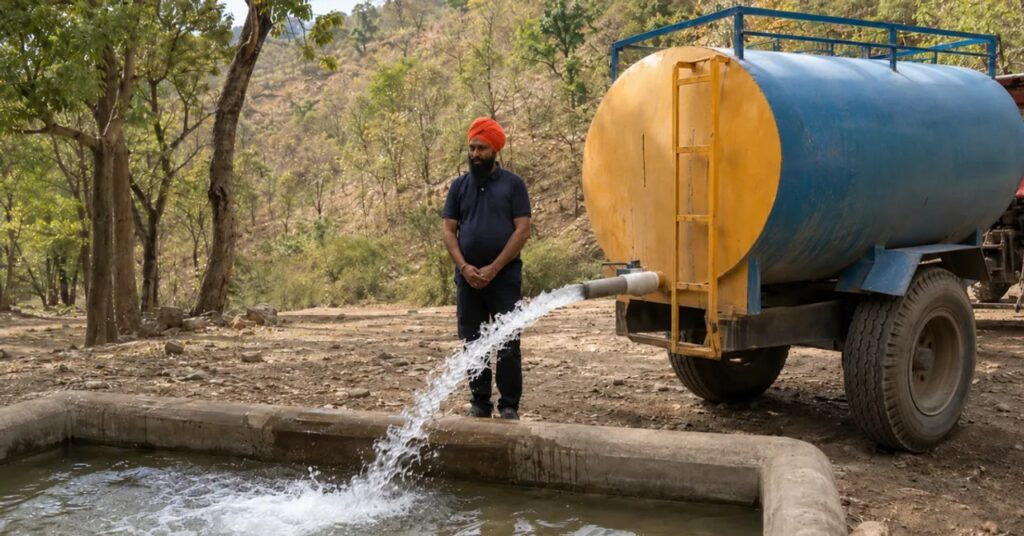
Over the years, Pali has rescued injured wild animals hurt in poaching attempts or attacked by stray dogs. One rescued sambar deer, he says, still returns to visit his home. Every alternate day through Punjab’s unforgiving summers, a tractor-tanker climbs into the dry folds of the Shivalik hills carrying water.
Long before sunrise burns the earth a pale brown, Harpal Singh Pali begins his route across a five-km stretch of forest near Kanpur Khuhi village in Ropar district. By the time the heat settles over the hills, wild boars, sambar deer, blue bulls, and peacocks have already begun gathering near shallow pits and concrete troughs carved into the landscape. They know the sound of his tractor.
For the last 15 years, Pali, now known locally as Ropar’s ‘Water Man’, has made it his mission to keep wildlife alive during the harshest months of the year.
/filters:format(webp)/english-betterindia/media/media_files/2026/05/21/wildlife-shivalik-1-2026-05-21-21-57-20.png)
The Shivalik belt of Punjab changes dramatically after March.
Seasonal water sources begin shrinking. Patches of forest dry out. Animals move closer to villages searching for water, often triggering dangerous encounters with people.
Pali saw this happen year after year. “Wild boars, sambar deer, blue bulls, and peacocks all gather near the water holes, sometimes waiting for me to arrive,” he said.
Fifteen of the water holes he built are reinforced with concrete so they can withstand repeated refilling and survive the intense summer conditions.
During peak heat, he travels through the forest nearly every other day, hauling water himself.
/filters:format(webp)/english-betterindia/media/media_files/2026/05/21/wildlife-shivalik-2-2026-05-21-22-01-04.png) Harpal Singh Pali arrives with a tanker full of water for refilling water holes so deer, peacocks, blue bulls, and wild boars do not have to wander into villages searching for water. The work is physically demanding and increasingly expensive.
Harpal Singh Pali arrives with a tanker full of water for refilling water holes so deer, peacocks, blue bulls, and wild boars do not have to wander into villages searching for water. The work is physically demanding and increasingly expensive. Fuel prices have risen. Maintaining the tanker costs money. But Pali has continued without government funding, donations, or sponsorships.
“I have never accepted a single rupee,” he shared. “I fund it from my own pocket.”
He also explained why. “I believe the blessings of wild animals have helped my livelihood prosper. That is why I dedicate 10 percent of my income to wildlife welfare.”
A childhood memory that never left
The idea began decades ago with a journey he made as a six-year-old child beside his mother.
He remembers walking with her to a small water hole near their village, carrying earthen pots. As they poured water into the pit, peacocks gathered nearby.
Those scenes stayed with him. “When I was young, I decided I would continue her work in a bigger way when I grew up.”
Years later, that promise turned into a network of water points running through the forest. Now, his route through the Shivaliks is almost ritualistic.
In many ways, his work is still largely invisible outside the villages around Ropar. But its impact reaches deep into the ecosystem around him.
Keeping animals safe inside the forest
Officials are of the view that the effort is doing more than helping thirsty animals. How Surat Turned Forests Into Water Banks Conserving 580 Crore Litres In Gujarat’s Surat Forest Division, a scientific ridge-to-valley approach is transforming forests into natural water banks—recharging groundwater, supporting 40,000 villages, and reshaping how India thinks about water conservation.
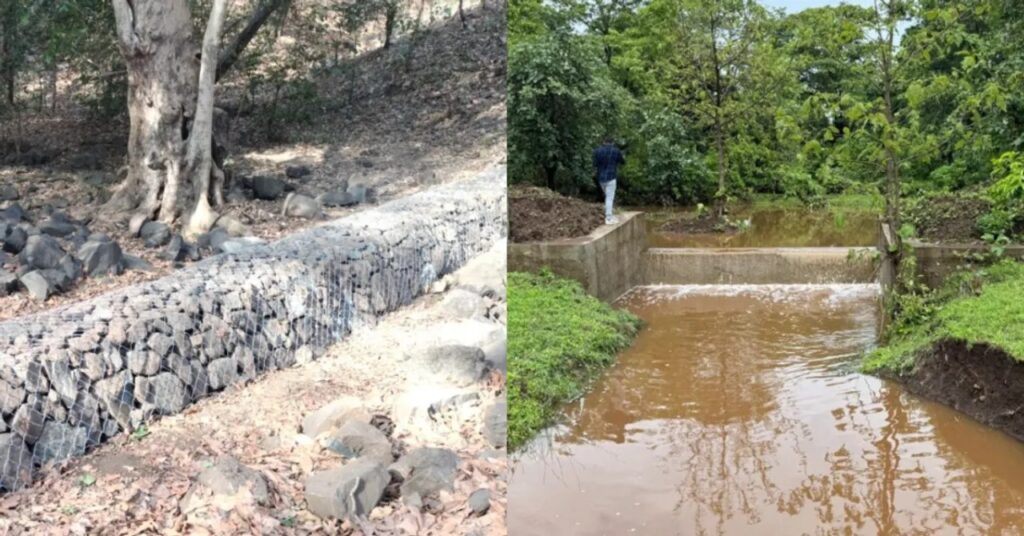
Over the past five years, the Surat Forest Division has conserved nearly 580 crore litres of water, building a storage capacity of about 5.83 million cubic metres. The impact is enough to support the annual water needs of roughly 40,000 villages.
This is the result of a systematic approach that treats forests as living infrastructure, capable of storing, slowing, and releasing water across seasons.
When rainwater is lost before it helps
The problem begins with rain itself. What remains is land that struggles to hold moisture, recharge groundwater, or support vegetation. How 5 Indian University Campuses Are Going Green With Solar Panels, Recharge Pits & Flowering Trees Across India, universities are trading concrete corridors for greener ways of learning — blending solar grids, recharge pits, and native trees into campus life. Here’s a look at five campuses where learning happens alongside nature.
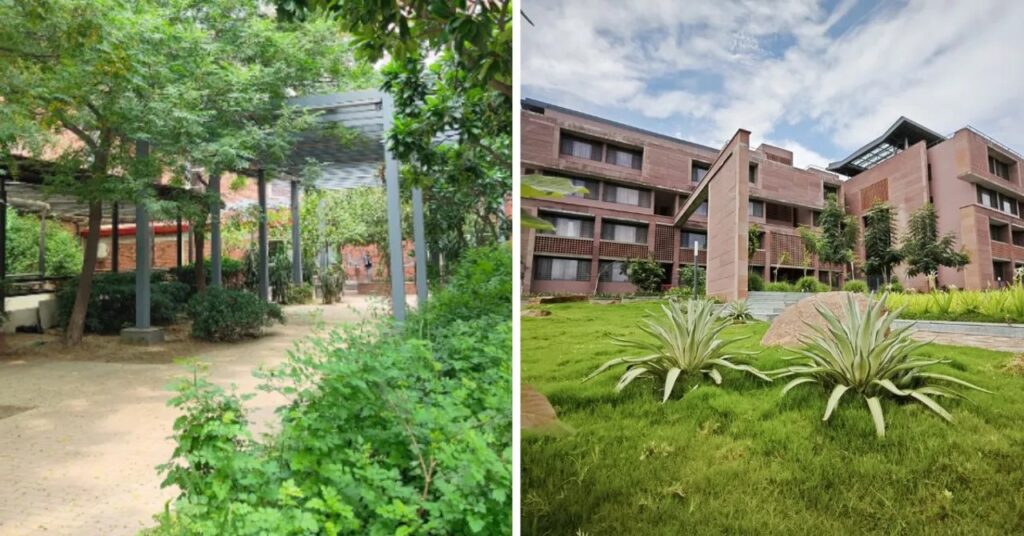
Imagine a classroom where the Earth is not just a topic of study, but a constant companion.
Across India, a new kind of learning space is taking shape. On some campuses, solar panels tilt alongside flowering trees. Rainwater slips quietly into recharge pits. Classrooms open not into corridors, but into courtyards where the air feels lighter. Indian universities are rethinking what it means to build, to learn, to live — not by adding sustainability as an extra, but by weaving it into everyday life. Seaweed Can Absorb Carbon 35 Times Faster Than Rainforests: Here’s Why It Matters
India’s coastlines hold immense potential for seaweed farming. Here’s how cultivating this ‘blue carbon’ resource can help protect our coasts, create jobs, and combat climate change.
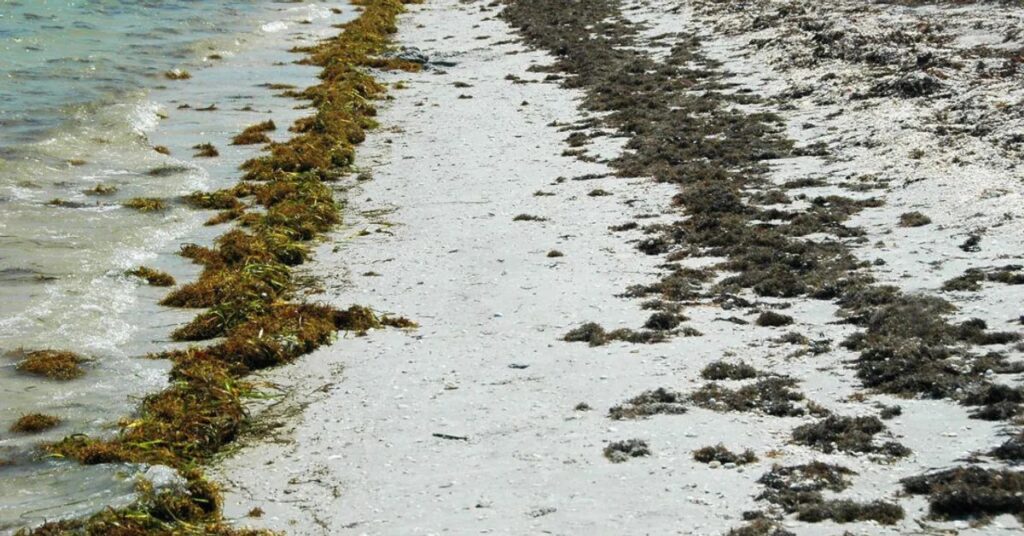
One such powerhouse of hope is seaweed — a humble marine plant that is making waves as a sustainable ally in the fight against global warming. For a country like India, with its vast shoreline and communities heavily reliant on marine ecosystems, seaweed offers a unique opportunity to mitigate climate challenges while driving socio-economic growth. 3 Nature-Based Solutions That Are Making Low-Income Communities Resilient to Climate Change groups are particularly vulnerable to the effects of climate change. World Resources Institute (WRI) India shows us three examples of how keeping these communities at the heart of nature-based solutions has helped them build more resilience to the changing environment.
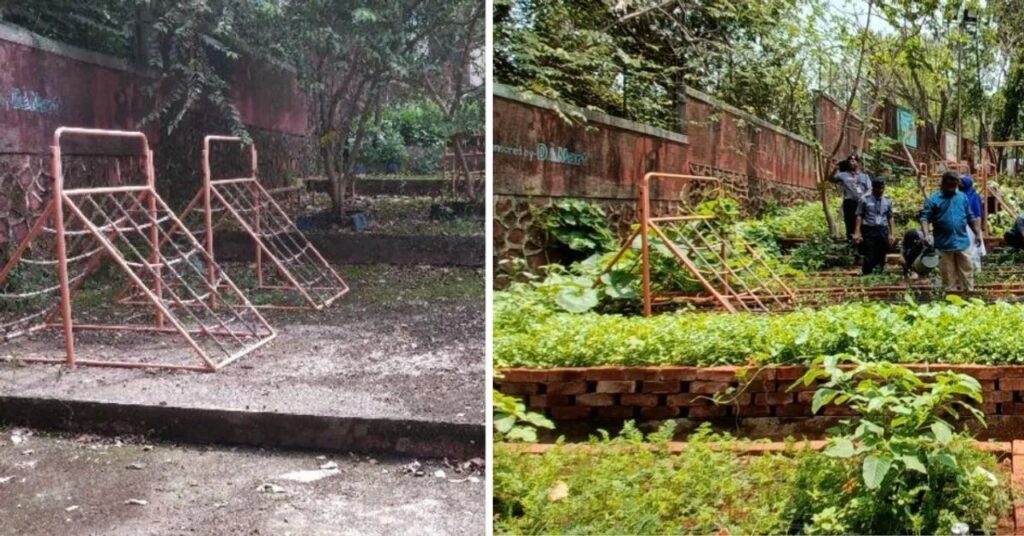
Dr Pramila Sanjaya has lived in Jaipur for over 60 years. Through this time, she has watched the city grow and expand over existing villages. In Mumbai’s Concrete Jungle, Beekeeper Creates Terrace Garden Full of Passionfruit “What I have also witnessed is the growth of informal settlements and slums across the city, which did not exist during my childhood.” Prateek Tiwari, another Jaipur resident and CEO of Living Greens Organics Pvt. Ltd, also recalls a time when the city centre was full of trees. “When I’d visit my grandparents in Jaipur during May, summers weren’t something we would dread. Of course, we’d stay indoors between 11 am and 3 pm — when it was very hot — but by the evening, the temperature would drop and it would be pleasantly cool, enough for us to sleep on the terrace at night.”
“We no longer have those spaces that helped keep the city cool. Jaipur has changed and it’s not for the better,” he opines. Jaipur is only one among the several Indian cities facing rising incidents of extreme heat and water scarcity. Why is Gurugram Flooded? Here are 3 Reasons the City’s History Reveals
From the Ghata lake becoming a dumping ground, to the natural drainage systems being lost, flooding in Gurugram is a legacy of urbanisation. There are many reasons why some parts of India flood more often than others. In the case of Assam, the Brahmaputra has changed course over the years, with erosion playing a major role in the flooding of the state. Kerala has seen extremely heavy rainfall, owing to which floods have been occurring for three years now.
/english-betterindia/media/post_attachments/uploads/2020/08/20144338/The-city-of-Gurgaon.jpg "publive-image")
However flooding in cities, which otherwise appear to be areas without any major water bodies, remains an unsolvable ‘mystery’, though they shouldn’t.
What is seaweed?
Seaweed refers to a group of marine algae found in oceans and seas, thriving in both warm and cold waters. With over 800 varieties found in India alone, including species like Gracilaria, Kappaphycus, and Ulva, these underwater plants are not just abundant but also incredibly versatile.
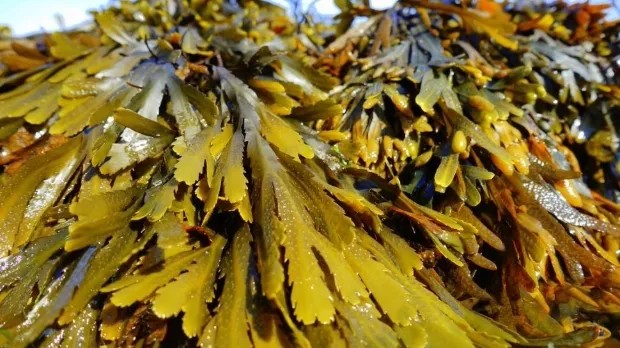
India has around 800 varieties of seaweed. IIT Madras Alumni Turn Seaweed Into Innovative Biofuel, Raise $9 Million in Funding Bengaluru startup Sea6 Energy have bagged a $9 million investment for their award-winning innovation that turns seaweed into sustainable products the coast of Tamil Nadu, a series of seaweed plantations lie in the Bay of Bengal, bouncing on the sea waves. At a distance floats a boat that harvests the seaweed with a tractor-like mechanism that simultaneously resows the plant.
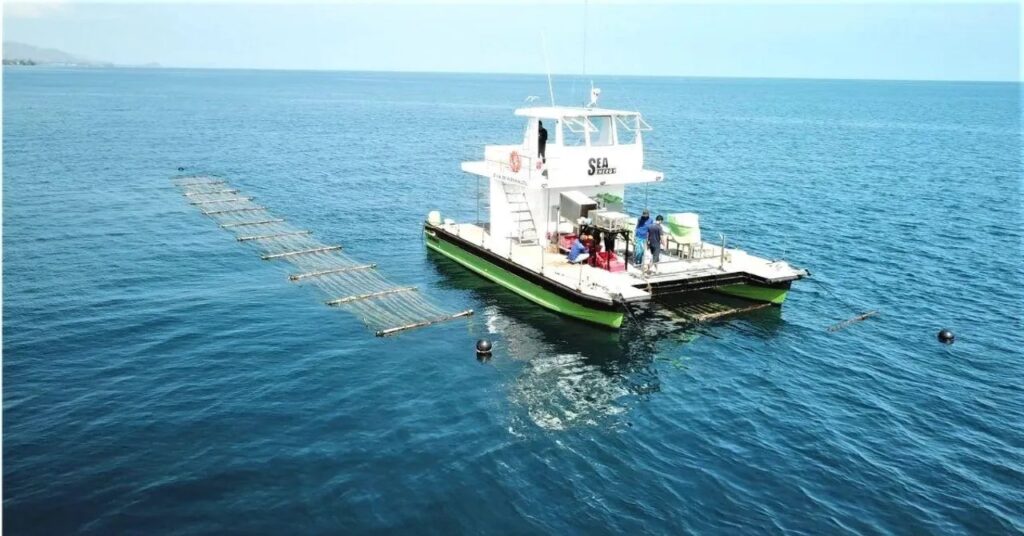
The harvested seaweed is carried to the coast and transported to a factory where it is processed to make products that increase the growth of agricultural plants on land. It also protects these plants from viruses and converts the seaweed into biofuel. Farming on the land is common, but a Bengaluru-based startup Sea6 Energy has ventured into uncharted waters by farming in the sea. It recently bagged $9 million in funding from a Netherland-based company, Aqua-Spark. However, it would be interesting to note that the startup formed in 2010 started as a project for an academic competition.
Sowmya Balendiran, the Chief Business Officer at the company, says, in 2009, while studying biotechnology with her classmates at IIT-Madras, an opportunity to participate in the international competition came to them. Little did they know that it would lead them to build innovative products that would benefit farmers.
To Farm Seaweed
/english-betterindia/media/post_attachments/uploads/2021/08/Red-Seaweed.jpg)
“We wanted to participate in iGEM, a global synthetic biology competition, held at the Massachusetts Institute of Technology (MIT), USA. It is one of the most challenging student competitions, and we needed funds of Rs 1 lakh to come up with a genetically engineered solution that could solve real-world problems,” she tells The Better India.
Sowmya says that along with her teammates, Sri Sailaja Nori and Nelson Vadasseri, they became the first and only Indian team participating in the competition. Their virtual presentation earned them a silver medal.
Motivated by their success, the team spent their final year of graduation making biofuels from microalgae after Shrikumar suggested conceiving an environment-friendly solution that could bring an alternative to crude oil.
When Sowmya and her teammates completed their graduation some started to look for job opportunities while others were looking to pursue their PhD.
“Shrikumar suggested that we develop our ideas further and find a solution to the fuel crisis by bringing an alternative for crude oil,” she adds.
His motivation led the team to form a startup that creates biofuel from seaweed and other products. The company claims to be carbon positive and causes no harm to the environment throughout its entire operations.
Coming from their academic background in biotechnology, they knew that microalgae, found in freshwater and oceans, held the potential to be used as biofuel. “But we were also aware that the scalability and economic feasibility of the product were impractical. However, a few days later, one of us came across an article on seaweed, scientifically known as macroalgae, cultivated at the coast of Tamil Nadu. It was the answer to all our problems as it overcame all the technical and economic challenges. It was then that we decided to embark on the journey of setting up a company,” Sowmya says.
/english-betterindia/media/post_attachments/uploads/2021/08/Sea6-Team.jpg)
Sequester carbon like microalgae much faster than trees and grows up to 2 feet a day. Moreover, it does not face the threats of drought or fire. Its usage is wide — from stabilisers in toothpaste, ice cream and other products like fish and human food too.
So on 26 July 2010, they incorporated the company with Shrikumar as the managing director and CEO, Sowmya as the chief business officer, Sailaja holding the position of the chief scientific officer and Nelson taking the role of the chief technology officer. The startup received its initial funding of Rs 8 crore from Kiran Mazumdar Shaw and Shrikumar.
After the initial four years, the team devised a process to convert seaweed into biofuel. “But there were multiple challenges. We could not solve the fuel issue by producing 200 litres of biofuel a day. Its quantities needed to be enormous. Moreover, only mass production would make the price competitive. To overcome the challenges, we would require at least one square kilometre seaweed farm on the sea, which we did not have,” Sowmya explains.
However, the company had to continue working, and generating revenue became crucial. A couple of years later, the team worked to produce a bio-stimulant named AgroGain, a chemical-free product made from seaweed extracts that enhances agriculture production up to 15 per cent.
In 2012-13, the company raised a Series A funding of Rs 35 crore from Tata Capital.
“Over the next four years, we scaled up its manufacturing and distribution in India, including countries like the USA, Vietnam, Indonesia and Sri Lanka,” she says.
The startup also created another innovative product — AG Fort, that helps prevent agricultural threats such as Papaya ringspot virus and tomato leaf curl virus, a common concern among farmers in India.
“Once infected, the virus can destroy the entire plantation. The medicine works as a vaccine and is given during the growth stages to prevent the virus affecting the crops by building immunity in plants,” Sowmya explains.
Eqqua Royal, another product is for aquaculture farmers that helps boost immunity among shrimps and increase their chances of survival through infections in the water, thus increasing the production.
Bagging the $9 Million Deal
/english-betterindia/media/post_attachments/uploads/2021/08/Product.jpg)
Over the years, the company established its manufacturing plant in India and Indonesia, where it farms and produces products from seaweed. The company developed an innovative boat, SeaCombine, to harvest the seaweed. “The entire processes and lifecycle spent on making the products are carbon positive,” she says.
Sowmya adds the company is working to make bioplastic and packaging solutions.
However, they continue to face the challenges of producing biofuel on a large scale. “We are yet to achieve the target of harvesting seaweed in one square kilometre area and hope to achieve it in the coming years. The recent funding of $9 million from Aqua-Spark should be able to help us with the same,” she says.
Sowmya adds, “It is a Series B funding, and we were looking to raise funds. Since we could not find potential supporters in India who could put their faith in the innovative technology, we started looking for foreign players.”
Sowmya says that such technology is often known to develop internationally. Ex-Google Employee Turns Seaweed into 100% Dissolvable, Low-Cost Packaging After quitting her job at Google, Neha Jain launched Zerocircle, a startup that converts seaweed into low-cost, eco-friendly plastic alternatives for packaging and more. Every material has different properties and functions. And while having materials that are compostable is important, it’s not always the most viable choice.
“We unnecessarily demonise a lot of materials,” Neha Jain, founder of Mumbai-based material science startup Zerocircle, tells The Better India. “They serve a purpose. Not to say that you must use plastics, but there is a merit to the material.” For instance, one wouldn’t want the plastic in consumer goods like cars or washing machines to be easily compostable, because we expect durability and toughness from vehicles and appliances.
Moreover, in India, “[o]ver 1.5 million waste pickers initiate the plastic recycling chain,” wrote Business Standard. “About 41% of the waste picker incomes come from plastics. Any reduction in the waste would mean a corresponding reduction in the earnings of waste pickers.” This 7-YO Ludhiana Boy is Waging War Against Single-Use Plastic & Winning It Too! A student of Class 2 at Sat Pal Mittal School, Aayaan Aggarwal has been actively spearheading an anti-plastic crusade across the city for the past few months. At first sight, Aayaan Aggarwal would pass off as any other happy-go-lucky child, for whom the world is a curious place that has many wonderful mysteries and things to offer.
But the 7-year-old from Ludhiana has been actively spearheading an anti-plastic crusade across the city during a time when the harmful effects of the toxic non-biodegradable material has already begun to show scary implications for our environment. It accounts for a majority of plastic discarded, “all of which is burned, buried in landfills or discarded directly into the environment”, said a report by Australian organisation Minderoo Foundation. It is projected that single-use plastic could account for 5-10% of all greenhouse gas emissions by 2050. It’s this challenge that Neha and her venture Zerocircle are tackling, by converting various species of seaweed into packaging that she claims is completely dissolvable, home-compostable, and bio-digestible.
/english-betterindia/media/post_attachments/uploads/2022/09/4-1662974974.jpg)
Intent guided by research
After graduating in journalism from Bengaluru’s Christ College, campus placements took Neha to Google, where she spent over five years working in multiple roles, primarily with Google Analytics. She soon realised that she didn’t “want to do anything internet[-related]” and wanted to work in sustainable design instead.
“This was in 2011 and sustainability was just a few eco-friendly things like choosing a cycle over your car. I didn’t know how to think about it. I didn’t know where to start,” she recalls. Sustainability Experts Share 10 Simple Things You Can Do Right Now To Protect The Earth if we act with great urgency, we can slow the impact of the climate crisis and loss of biodiversity and save yourselves